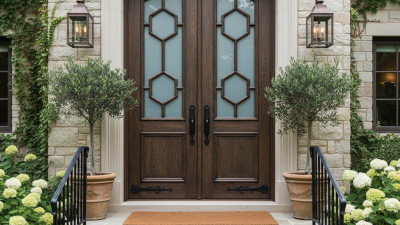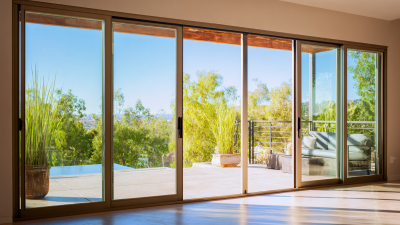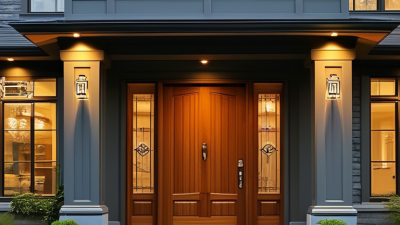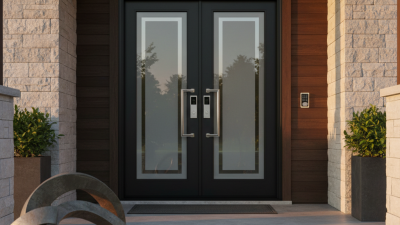


Choosing a black front door in 2026 involves more than matching a modern façade. Global buyers must consider climate, construction standards, security needs, maintenance, and local installation practices. A door that performs well in a cold Canadian suburb may struggle under intense tropical sunlight.
This guide examines popular types, including steel, fiberglass, solid timber, aluminum, uPVC, glazed, and pivot designs. Each option creates a different experience at the entrance. Steel can provide strong security and a crisp appearance, while fiberglass usually offers easier maintenance. Timber brings natural grain and warmth, but it may require careful sealing in wet or coastal environments.
Details matter. Look at thermal performance, frame quality, weather seals, hinge strength, threshold design, and finish durability. A matte black coating can hide minor marks, while a high-gloss surface may reveal fingerprints and scratches near the handle. Local professionals should verify measurements, wall conditions, drainage, and applicable building requirements before installation.
No single door wins everywhere. That assumption deserves scrutiny. Even premium products can disappoint when installed poorly or exposed to unsuitable weather. Our comparisons focus on practical evidence, manufacturer specifications, installation experience, and long-term ownership concerns. We also recognize that budgets, traditions, accessibility needs, and regional supply chains differ widely.
The best choice should feel secure, open smoothly, resist its environment, and remain visually convincing after years of daily use. A beautiful entrance is useful only when it performs reliably.
2026 Best Black Front Door Types for Global Buyers
Material determines more than appearance. It affects heat transfer, security, maintenance, and service life. The International Energy Agency reports that buildings consume about 30% of global energy. A well-built entrance can support better envelope performance, especially in hot or cold climates.
Insulated steel doors provide strong impact resistance and stable dimensions. Their thermal performance depends on the core, edge design, and weather seals. Fiberglass composite doors resist moisture and temperature changes, making them practical for coastal regions. Solid timber offers natural texture and repairability, but it needs careful sealing. Aluminum doors suit modern designs, yet buyers should specify a thermal break. Otherwise, the frame can become a cold or hot bridge.
Construction details deserve close inspection. An insulated core, compression gaskets, adjustable hinges, and a raised threshold reduce drafts. Low-emissivity glass can improve comfort, but glazing also increases cost and possible heat gain. The U.S. Department of Energy recommends comparing U-factor and air-leakage performance when selecting exterior doors. NFRC-rated products make those comparisons more reliable across tested models. Black finishes absorb more solar radiation than lighter colors. In strong sun, poor coatings may fade or raise surface temperatures. That risk is often underestimated. Check the door’s solar exposure, coating warranty, and regional compliance documents before ordering. A beautiful black slab can still perform poorly when its frame is overlooked.
| Door material and construction | Typical construction | Main strengths | Limitations and risks | Climate suitability | Maintenance requirements | Best use case for global buyers |
|---|---|---|---|---|---|---|
| Solid hardwood, painted or stained black | Full-thickness timber stiles, rails, and panels, often with mortise-and-tenon or dowel joinery. | Natural appearance, strong impact resistance, repairable surface, and good design flexibility. | Absorbs and releases moisture; may swell, shrink, warp, or crack if poorly sealed or exposed to persistent weather. | Suitable for moderate climates and protected entrances; requires careful specification in humid, rainy, or very dry regions. | Inspect finish regularly; reseal or repaint when the coating shows wear, especially on exposed edges and the bottom rail. | Traditional homes, premium renovations, and projects prioritizing authentic wood character. |
| Engineered wood veneer door | Wood veneer over laminated timber, finger-jointed wood, or a composite wood core; commonly built as a stabilized slab. | More dimensionally stable than many solid-wood designs, consistent appearance, and efficient use of timber. | Exposed veneer edges and unsealed cut-outs can be vulnerable to water; quality differs by core and edge construction. | Good for sheltered and moderate-to-variable climates when all faces and edges are properly protected. | Keep the coating intact; check veneer joints, glazing beads, and hardware; prevent standing water at the threshold. | Buyers seeking a wood appearance with improved dimensional stability and more predictable manufacturing. |
| Fiberglass-reinforced composite door | Molded fiberglass skins around an insulated polyurethane or polystyrene core, with reinforced lock and hinge zones. | Low routine maintenance, resistance to moisture and corrosion, good insulation potential, and wood-look options. | Can be damaged by severe impact; dark finishes may experience heat-related movement if the door and frame are not correctly specified. | Suitable for humid, coastal, rainy, and cold climates when the product is approved for the local exposure level. | Clean with mild soap and water; inspect seals, weatherstripping, drainage, and the finish for fading or impact damage. | A balanced choice for homeowners wanting low maintenance and improved thermal performance without regular wood refinishing. |
| Insulated steel door | Galvanized or coated steel skins over a foam-insulated core, usually with reinforced lock and hinge areas. | High stiffness, strong security potential, consistent dimensions, and generally competitive thermal performance when insulated. | Scratches and cut edges can expose steel to corrosion; thermal bridging may occur around the frame or hardware. | Effective in cold and temperate climates; specify corrosion protection carefully for coastal or high-humidity locations. | Touch up chips promptly, keep drainage paths clear, and check perimeter seals and the threshold for water entry. | Security-focused entrances, apartment buildings, utility areas, and projects requiring a durable, clean-lined appearance. |
| Aluminum entrance door | Extruded aluminum frame and panels, often with thermal breaks and insulated panels or glazing. | Lightweight, corrosion-resistant when correctly finished, design-flexible, and suitable for slim contemporary profiles. | Unbroken aluminum conducts heat readily; dark surfaces can become hot in strong sun, and low-quality finishes may fade or chalk. | Suitable for warm, humid, and coastal climates when the finish and hardware are rated for the environment. | Wash periodically to remove salt and pollutants; inspect coating, fasteners, drainage, gaskets, and moving hardware. | Modern homes, high-humidity regions, large-format doors, and projects requiring low weight and narrow sightlines. |
| Thermally broken metal door | Interior and exterior metal sections separated by a low-conductivity thermal barrier, with insulated panels or glazing. | Reduces heat transfer through the frame compared with non-broken metal construction and supports better condensation control. | Usually costs more and depends heavily on correct frame design, seals, threshold details, and installation. | Well suited to mixed, cold, and hot climates where energy efficiency and condensation control are important. | Maintain gaskets and drainage channels; clean the finish and adjust hinges or locks if seasonal movement affects operation. | Energy-conscious projects with strong temperature differences between indoors and outdoors. |
| Composite mineral or polymer door | Multi-layer slab combining a reinforced polymer or mineral-based skin with an insulated core and structural inserts. | Good moisture resistance, low upkeep, stable geometry, and broad options for flush or wood-textured black finishes. | Repairing deep damage can be difficult; compatibility with local locks, hinges, and replacement parts must be confirmed. | Suitable for wet, variable, and coastal conditions when the materials are UV- and corrosion-resistant. | Clean routinely, avoid abrasive chemicals, and inspect the sealant, weatherstripping, and threshold drainage. | New-build homes and replacement projects requiring consistent performance with minimal seasonal maintenance. |
| Black glazed entrance door | Wood, steel, aluminum, fiberglass, or composite frame combined with safety or insulated architectural glass. | Introduces daylight, creates a visually larger entrance, and can combine privacy, security, and modern styling. | Glass increases cleaning needs and may reduce privacy; performance depends on glass type, spacer, frame, and installation. | Suitable for most climates with insulated glass and correctly designed shading, seals, and drainage. | Clean glass and frames; inspect seals for leaks and replace damaged or failed glazing according to local safety rules. | Entryways where daylight, visibility, and contemporary appearance are more important than maximum privacy. |