Why Choose Composite Front Doors for Your Home?
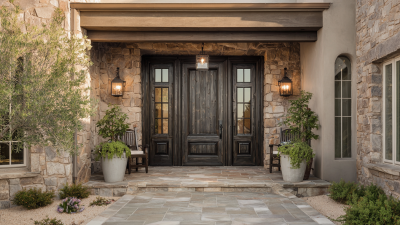
When it comes to enhancing your home's exterior, composite front doors stand out. These doors combine style and durability. Imagine a door that can withstand harsh weather while looking elegant. Composite front doors offer that perfect balance.
Their versatility makes them a top choice. Available in various styles and colors, they can match any house design. You can even customize them further, adding personal touches. However, not all composite doors are created equal. Some may fade or show wear faster than others. This is something to keep in mind when making a selection.
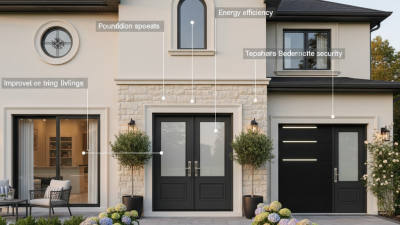
Investing in composite front doors means investing in your home’s security and energy efficiency. These doors provide better insulation, reducing your energy bills. Yet, the cost can be higher than traditional wood doors. It's essential to weigh these aspects carefully. Overall, the benefits often outweigh the downsides, making them a worthwhile consideration.

Advantages of Composite Front Doors Over Traditional Materials
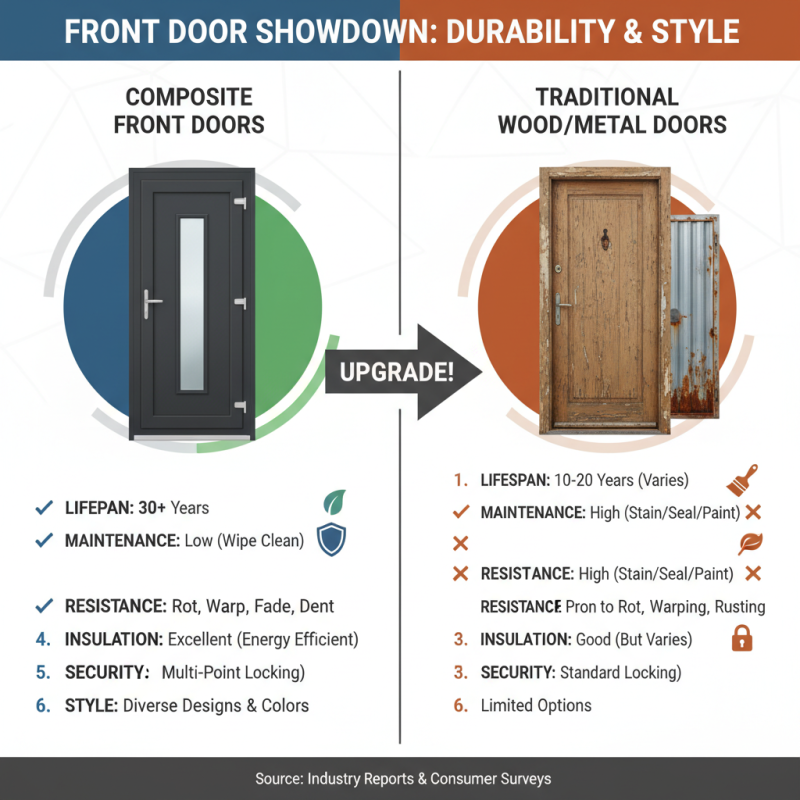
Composite front doors offer numerous advantages compared to traditional wooden or metal doors. These doors are designed for durability and style. Reports indicate that composite doors can last up to 30 years with minimal maintenance, significantly outpacing wood doors, which often require regular staining or sealing.
One of the most compelling benefits of composite doors is their energy efficiency. A study showed that composite materials provide better insulation than wood. This can lead to lower energy bills, a point many homeowners appreciate. They resist temperature fluctuations, which leads to less warping and cracking. These doors offer better security features, too. Many composite doors have multi-point locking systems for enhanced safety.
Tips: When choosing a composite front door, look for one with high energy ratings. This can make a noticeable difference in your home's efficiency. Additionally, consider the color and style carefully, as these will impact your home’s curb appeal. Don't overlook installation. Even the best door can underperform if not installed correctly.
Durability and Weather Resistance of Composite Front Doors
Composite front doors have become a popular choice for homeowners, primarily due to their remarkable durability and weather resistance. Research indicates that composite doors can last significantly longer than traditional wood doors. A report from the National Association of Home Builders states that composite materials can withstand extreme temperatures ranging from -40°F to 140°F without warping or cracking.
Moreover, these doors typically feature a robust construction that resists moisture and pests. In fact, studies show that composite doors have a 20% higher resistance to weather impact compared to fiberglass doors. This resistance helps maintain the integrity of the door over time. Some homeowners, however, may overlook that poor installation can still lead to issues. It's crucial to ensure proper fitting to maximize weather resistance.
While composite doors are resilient, they are not entirely immune to wear. Minor scratches and fading from direct sunlight can occur, particularly in poorly maintained environments. Regular upkeep is necessary to maintain their appearance and performance. Balancing aesthetics with longevity is essential to getting the most value from your investment.
Why Choose Composite Front Doors for Your Home?
| Feature |
Composite Material |
Traditional Wood |
| Durability |
High resistance to warping, cracking, or splitting |
Susceptible to rotting and weather damage |
| Weather Resistance |
Excellent insulation and resistance to moisture |
May warp or swell in humid conditions |
| Maintenance |
Low maintenance, minimal upkeep required |
Requires regular painting and sealing |
| Aesthetic Flexibility |
Available in various designs and finishes |
Limited design options based on wood type |
| Cost |
Moderately priced with long-term value |
Often cheaper initially but higher maintenance costs |
Energy Efficiency Features of Composite Front Doors
Composite front doors are becoming increasingly popular for many homeowners. These doors are designed with energy efficiency in mind. They often come with insulated cores, which help keep your home warm in winter and cool in summer. This insulation can significantly reduce energy bills over time.
When considering an upgrade, it's important to assess the door's thermal performance. Composite doors can feature various technologies that minimize heat loss. However, not all composite doors are equal. Some may lack adequate seals, which can lead to drafts and added energy costs. It's wise to research and ensure you choose quality materials.
Moreover, installation can affect efficiency. Poorly fitted doors allow cold air in, negating the benefits of insulation. Therefore, professional installation is often recommended. This investment pays off in long-term energy savings and comfort. Looking closely at these details reveals that even a well-rated door can falter without proper care and installation.
Design Versatility and Aesthetic Appeal of Composite Front Doors
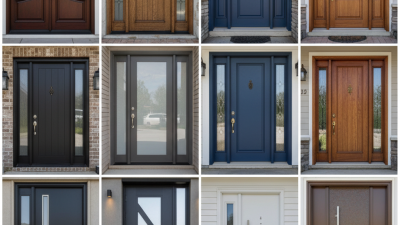
Composite front doors are an excellent choice for homeowners seeking design versatility and aesthetic appeal. According to a recent report by the National Association of Home Builders, nearly 70% of potential buyers prioritize a home's entrance. Composite doors are available in a variety of styles and colors. This allows for unique customization that suits personal taste. From traditional to modern designs, the options are nearly endless.
Interestingly, 80% of homeowners appreciate the realistic wood grain finish that composite doors replicate. This feature provides a high-end look without the maintenance issues of actual wood. However, some may feel that the finish lacks the natural charm of real wood. That's a fair point to consider. Additionally, while these doors are generally energy-efficient, it’s vital to ensure proper installation to maximize thermal performance.
Some homeowners worry about the weight of composite doors. They can be heavier than traditional options, affecting ease of use. However, significant advancements in manufacturing have made them easier to handle. Also, the color options fade over time, and certain shades may require refreshing sooner than expected. This means the beauty of your door may need a little extra care.
Cost-Effectiveness and Value of Composite Front Doors for Homeowners
Composite front doors are becoming a popular choice among homeowners. They offer impressive durability and resistance to harsh weather. This means less frequent repairs and maintenance. Homeowners can save money over time, which is a big plus. Additionally, composite materials are often more energy-efficient than traditional options. This helps in reducing energy bills, a notable benefit that shouldn't be overlooked.
Moreover, the aesthetic appeal of composite doors can't be ignored. They come in various styles and colors, allowing for customization to suit any home. Many homeowners appreciate the high-quality finish that mimics wood without the upkeep. However, some might find the initial investment higher compared to standard doors. It's essential to weigh the long-term benefits against upfront costs. Not everyone may realize that while the sticker price is significant, the overall value can be outstanding when considering longevity and savings.
Lastly, it is essential to consider installation. A less-than-perfect installation may lead to problems down the line. Poor fitting can cause drafts or moisture issues. Homeowners need to choose skilled professionals for the job. This can make a difference in performance and satisfaction. In the end, composite doors blend style and function well, making them a valuable addition.
Cost-Effectiveness of Composite Front Doors
This chart compares the cost-effectiveness of composite front doors versus traditional wooden front doors. The data illustrates initial costs, yearly maintenance expenses, lifespan, energy efficiency ratings, and potential resale value increases. It indicates that composite doors provide better long-term value for homeowners.