


Industrial Insulation Mineral Wool Quilt is gaining recognition in various sectors. Its diverse applications and advantages are noteworthy. Businesses are increasingly considering insulation choices to enhance efficiency and safety.
The benefits of using Industrial Insulation Mineral Wool Quilt are significant. This material not only reduces energy consumption but also improves acoustic control. It provides excellent fire resistance, ensuring better safety standards. Many industries rely on this insulation for its durability and performance.
However, while the advantages are clear, one must consider the installation process. Sometimes, improper application can diminish its effectiveness. It's essential to consult with experts to maximize its benefits. The wrong choices can lead to added costs and inefficiencies. Understanding the full scope of Industrial Insulation Mineral Wool Quilt is crucial for making informed decisions.
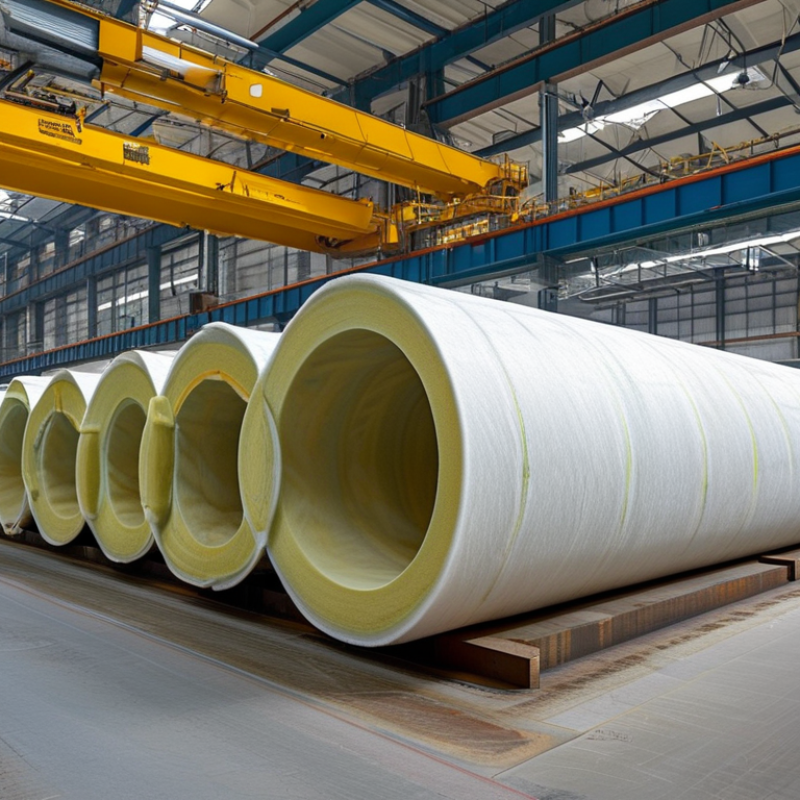
Industrial insulation mineral wool quilt is a versatile solution widely used in various industries. It comprises a combination of natural minerals and recycled content, contributing to sustainability. Research indicates that mineral wool can achieve thermal resistance values of R-15 to R-38, depending on thickness. This high-performance insulation effectively reduces heat transfer, leading to significant energy savings.
The composition of mineral wool includes basalt rock and recycled glass, creating a dense structure that offers excellent fire resistance. Industry data shows that mineral wool products can withstand temperatures above 1,800°F. This quality is essential for safety in environments like power plants and factories. Additionally, mineral wool is non-combustible, providing peace of mind in industrial applications.
Although mineral wool quilts offer several benefits, there are challenges. Installation requires skilled labor to ensure optimal performance. Improper fitting may lead to thermal bridging, reducing insulation efficiency. Furthermore, while mineral wool is moisture-resistant, prolonged exposure to water may compromise its effectiveness. These factors should be considered when selecting insulation for industrial settings.
Mineral wool quilt insulation is increasingly recognized for its numerous advantages in industrial settings. One of its key attributes is its exceptional thermal performance. According to industry reports, it can offer thermal resistance values that exceed R-6 per inch, making it ideal for temperature-sensitive environments. This high thermal efficiency not only reduces energy consumption but also contributes to lower operational costs over time.
Another significant benefit is the sound absorption capability of mineral wool quilts. Studies indicate that they can reduce noise levels by up to 50%, creating a quieter workplace. This is particularly relevant in factories or production facilities where excessive noise can lead to employee fatigue and decreased productivity. Furthermore, mineral wool is non-combustible, providing crucial fire safety benefits. In fact, it has a melting point exceeding 1,200 degrees Celsius. This high resistance can safeguard industrial facilities from potential fire hazards.
While these advantages are impressive, certain challenges remain. Installation can be labor-intensive and may require skilled professionals. Additionally, mineral wool can absorb moisture if not adequately protected. This characteristic can lead to potential mold growth if conditions are not monitored. Despite these issues, the overall performance and safety benefits of mineral wool quilt insulation make it a robust choice for many industrial applications.
Mineral wool insulation plays a critical role in energy efficiency within industrial settings. According to a 2022 report by the American Society of Heating, Refrigerating and Air-Conditioning Engineers (ASHRAE), buildings equipped with proper insulation can save up to 30% on energy costs. This significant saving stems from mineral wool's superior thermal performance, which effectively reduces heat loss.
In addition, mineral wool has excellent sound absorption properties. By reducing noise pollution, it creates a more productive working environment. This is particularly relevant in factories that operate heavy machinery. The Noise Reduction Coefficient (NRC) measures these sound absorption qualities. Mineral wool typically achieves an NRC rating of around 0.85, meaning it can absorb 85% of sound energy, leading to a quieter workplace.
Moreover, mineral wool is non-combustible and provides fire resistance, which promotes safety in industrial applications. A study conducted by the National Fire Protection Association (NFPA) indicates that structures insulated with mineral wool have a lower risk of fire incidents. While the upfront investment may seem daunting, the long-term savings in energy costs and enhanced safety make it a worthwhile consideration for many industries.
Mineral wool quilt offers remarkable fire resistance properties that make it an exceptional choice for industrial insulation. This material can endure extreme temperatures, often exceeding 1,000 degrees Celsius without melting. Its non-combustible nature prevents flames from spreading, minimizing fire hazards in industrial settings. Workers can feel safer knowing that their environment is protected by this robust insulation.
In addition to its fire-resistant capabilities, mineral wool quilt also contributes to overall safety. It acts as a barrier against smoke and toxic fumes during a fire. This can be critical in emergencies, giving occupants valuable time to evacuate. Furthermore, its acoustic properties provide sound insulation, reducing noise pollution in workspaces. However, it's important to ensure proper installation to fully leverage these safety benefits. Any gaps could compromise its effectiveness, leading to potential risks.
Many industries recognize the importance of robust insulation. Yet, adopting mineral wool quilt doesn't come without considerations. It's essential to balance cost and benefits effectively. While the upfront investment may seem high, the long-term safety and energy efficiency gains often justify the expense. Continued education on the proper use and installation can further enhance its reliability in protecting industrial facilities.
Industrial insulation mineral wool quilt offers notable advantages in terms of sustainability and environmental impact. This material is primarily derived from natural and recycled components, reducing the need for new raw materials. Its production process generates fewer emissions compared to traditional insulation materials. This makes mineral wool a greener option in construction and manufacturing.
One of the key benefits of mineral wool is its excellent thermal performance. It effectively minimizes energy usage by maintaining consistent temperatures within buildings. However, while mineral wool is beneficial, its production can still be energy-intensive. There is room for improvement in reducing carbon footprints during manufacturing. Exploring alternative energy sources in production is a critical step toward enhancing sustainability.
Moreover, mineral wool's durability contributes to its life cycle sustainability. Its long-lasting nature means that fewer resources are needed for replacements. On the downside, some users have raised concerns about the potential health effects of dust during installation. While safety measures can mitigate these risks, ongoing research is essential. Implementing better practices can make mineral wool products not only efficient but also safe for everyone involved.
| Benefit | Description | Environmental Impact | Sustainability Factor |
|---|---|---|---|
| Energy Efficiency | Reduces energy consumption by improving thermal performance. | Lower carbon footprint through decreased heating and cooling needs. | Long lifespan contributes to sustainable building practices. |
| Sound Absorption | Minimizes sound transmission for a quieter work environment. | Improves workplace comfort, potentially reducing stress. | Made from recyclable materials, enhancing sustainability. |
| Fire Resistance | Non-combustible properties prevent fire spread. | Enhances safety measures in industrial settings. | Long-lasting materials that do not require frequent replacement. |
| Moisture Control | Resistant to moisture and mold, promoting a healthy environment. | Reduces the need for chemical mold removers. | Enhances longevity of building materials by preventing rot. |
| Lightweight | Easy to handle and install, reducing labor costs. | Lowers transportation emissions due to reduced weight. | Facilitates the use of eco-friendly installation techniques. |
| Versatility | Adaptable to a wide range of applications in industrial settings. | Flexibility promotes a more efficient use of materials. | Supports various sustainable building codes and standards. |
| Low Emissions | Manufactured with low levels of volatile organic compounds (VOCs). | Improves indoor air quality, benefiting worker health. | Encourages the use of green materials in construction. |
| Cost-Effectiveness | Offers long-term savings through energy conservation. | Economic advantages promote widespread use. | Supports investments in sustainable technologies. |
| Health and Safety | Contributes to safer work conditions and improved health. | Less reliance on hazardous materials improves overall safety. | Encourages a healthier work environment for employees. |
| Recyclability | Can be recycled at the end of its life cycle. | Reduces landfill impact through reuse of materials. | Promotes a circular economy in construction. |
Get the latest news straight from us on all our new products, features, services, and much more!
