What Is the Best Carbon Padel Racket in 2026?
Choosing the best carbon padel racket in 2026 is not a contest of glossy finishes. On court, the difference shows up in small moments: a quick block at the net, a deep lob under pressure, or a forehand that lands just short. Carbon can offer a firm, responsive feel, but the result depends on the racket’s shape, balance, surface, and the player holding it. Specs alone do not settle the question.
Padel coach Manu Martín’s practical advice can be summed up this way: “Choose the racket that fits your game, not the promise on its label.” Treat that as a guiding principle, not a verified verbatim quotation. A racket that feels powerful in a product photo may be tiring after a long match. And a softer-feeling model may give a developing player more confidence on defensive shots. Small differences matter.
This guide compares carbon padel racket options through useful details: weight, balance, handling, comfort, and suitability for different playing styles. It also separates manufacturer claims from qualities a player can assess through a demo or careful testing. Models and specifications can change during the season, so check current product information before buying. There is no single winner for every arm, level, or court position. That is the part many rankings miss. A clear comparison can narrow the field, but personal fit still deserves the final say.
What Defines a Carbon Padel Racket?
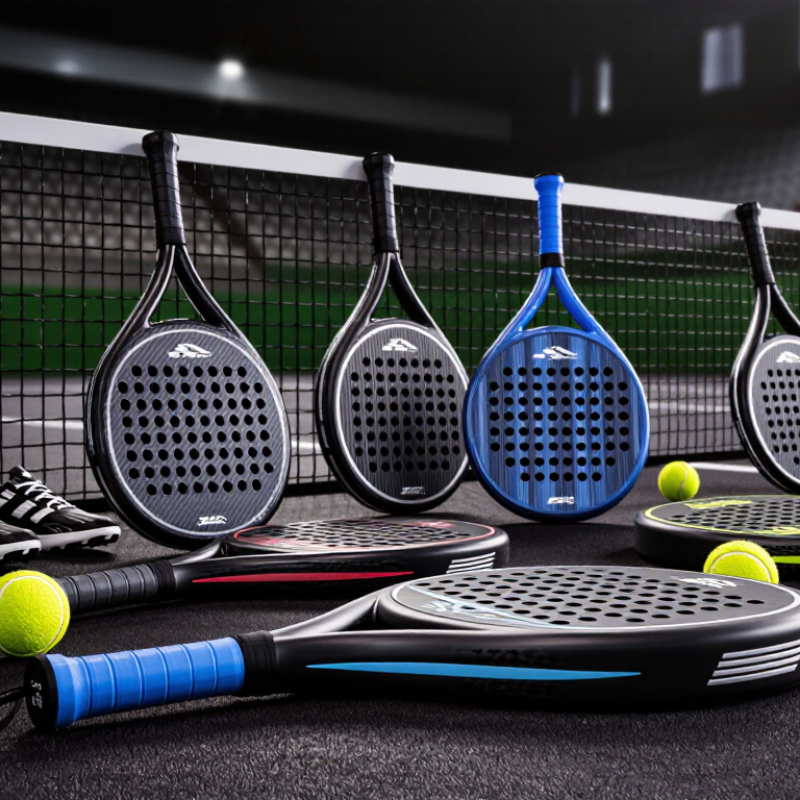
A carbon padel racket uses carbon fiber in its face, frame, or both. It is not usually made from carbon alone. The fibers sit in resin and are shaped around a core, often made from foam. The fiber direction and number of layers affect stiffness, durability, and how impact feels. A denser layup can create a firmer response, while the core also shapes rebound and comfort. The word “carbon” by itself says little. Not always.
When comparing rackets, consider the whole construction rather than treating carbon as a quality score. A firmer face may feel precise on fast volleys, but it can pass more vibration to your hand. A softer setup may offer a gentler feel, though some players find it less direct. Weight, balance, face shape, and the size of the sweet spot matter too. Check how the racket feels during controlled swings and off-center contact, not just one clean hit. Even then, a short test cannot predict every match situation. That is a real limitation.
How Carbon Layers Affect Feel, Power, and Control
What Is the Best Carbon Padel Racket in 2026?
Carbon layers influence how a padel racket bends, rebounds, and feels at impact. A stiffer face can return energy quickly, which may help with fast volleys and overhead shots. It can also feel less forgiving when contact lands near the frame. More layers do not automatically mean better performance; fiber direction, resin, and core work together.
Feel is personal. A softer layup may absorb some vibration and offer a calmer response during defensive play. A firmer one can feel more direct, especially when blocking a hard ball. But “soft” and “firm” are not universal measurements. Grip, temperature, technique, and the racket’s balance can change what a player notices. That detail is easy to overlook.
For control, focus on whether the racket gives predictable feedback on off-center hits, not just how lively it feels in a clean test. Try several controlled volleys, then repeat with slower shots from the back of the court. Notice whether the ball leaves the face where you expect. I would not choose by carbon count alone; even experienced players can mistake a crisp sound for extra power. A short trial may reveal more than a specification sheet.
Key Factors for Comparing Carbon Padel Rackets in 2026
What Is the Best Carbon Padel Racket in 2026?
Key Factors for Comparing Carbon Padel Rackets in 2026
Carbon content alone does not tell you how a racket will play. Compare face stiffness, core density, weight, and balance together. A firm face can give crisp feedback on volleys, but may feel unforgiving when contact is off-center. Softer cores can add comfort and help with controlled shots, though they may feel less direct during fast exchanges. Check the racket’s shape and sweet spot, too. A larger sweet spot can make defensive shots easier to manage.
Balance matters over a full match. A head-heavy racket may add power to overheads, but can tire your wrist during repeated quick exchanges. A lighter, more even balance may feel quicker at the net. Specs are useful, not definitive. Grip size, temperature, and playing style affect how a racket feels, so compare options with similar balls and conditions when possible. One detail is easy to overlook: protective edges and surface wear can affect how well a racket holds up.
Tips: If possible, test a few shots before buying. Notice comfort after ten minutes, not just the first swing. Keep your usual grip and avoid judging by power alone. A racket that feels slightly dull may still offer better control for your game.
How Racket Shape, Balance, and Core Material Influence Performance
What Is the Best Carbon Padel Racket in 2026?
The best carbon padel racket depends on how its shape, balance, and core work together. A round head usually offers a forgiving sweet spot and easier placement. A diamond shape shifts weight toward the head, which can help overhead shots but may feel tiring during quick exchanges. Teardrop designs sit between the two. No shape guarantees better performance; grip, technique, and comfort matter too.
The International Padel Federation’s 2024 Global Padel Report estimated more than 30 million players across over 130 countries. That growing range of players makes a one-racket-fits-all answer unlikely. Carbon faces can feel firm and responsive, but they do not create power on their own. Core density also changes the feel: softer cores may offer easier ball output, while firmer ones can feel more controlled at higher swing speeds. Temperature and personal technique can alter that impression. Honestly, racket descriptions rarely capture every player’s experience.
Tips: Test rackets with the same balls, then compare volleys and overheads after several minutes of play. Notice whether the head feels slow when you are tired. Choose comfort over a specification that sounds impressive.
What Is the Best Carbon Padel Racket in 2026?
How shape influences typical power, control, and forgiveness
These relative 1–5 ratings summarize common design tendencies; they are illustrative, not laboratory test results. Round shapes typically favor control and forgiveness, while diamond shapes tend to favor power. Teardrop shapes aim for a balance. Balance point and core firmness also matter: head-heavy balance can add swing power but feel less maneuverable, while a softer core can feel more forgiving and a firmer core more responsive.
How to Choose a Carbon Padel Racket for Your Playing Style
What Is the Best Carbon Padel Racket in 2026?
How to Choose a Carbon Padel Racket for Your Playing Style
Choosing the best carbon padel racket depends less on a “top” model and more on how you move and strike. Carbon faces can feel crisp and responsive, but construction, balance, and core softness matter too. If you defend near the glass, a round shape and lower balance can help with quick reactions. At the net, a teardrop shape may offer more attacking reach, though it can feel slower during hurried exchanges. Judge control after several rallies, not one clean smash.
Tips: Check the racket’s weight and balance in person if possible. Hold it at ready position, then try a few compact volleys. A comfortable grip and manageable swing often matter more than maximum stiffness. Ask about face and core materials, but treat “carbon” as one detail, not a guarantee. Small differences count.
Match the racket to your usual misses. If balls sail long, prioritize control and a softer feel. If they die short, consider more firmness or head weight, provided your shoulder tolerates it. There is no perfect formula. Players adapt, and a racket that feels awkward today may feel natural later—or not. Keep notes after practice: volley comfort, vibration, and how often you reach the ball late. A choice can look sensible on paper and still feel wrong after a set.
What Is the Best Carbon Padel Racket in 2026? — How to Choose a Carbon Padel Racket for Your Playing Style
There is no single best racket for every player. Use this comparison to match racket shape, balance, materials, and feel to your experience level and playing priorities.
| Playing Style | Recommended Shape | Typical Balance | Face and Frame | Core Feel | Typical Weight | Main Benefit | Trade-Off |
| New or developing player | Round | Low to medium | Carbon face with a fiberglass blend, or a more flexible carbon construction | Soft to medium-soft | Approximately 350–365 g | A centered sweet spot and easier control help with consistent contact. | Usually offers less leverage for powerful overhead shots than a head-heavy racket. |
| All-court player | Teardrop | Medium | Carbon-fiber face and carbon-fiber frame | Medium | Approximately 355–370 g | Balances control and attacking potential for varied play. | May feel less forgiving than a round racket when contact is off-center. |
| Experienced attacking player | Diamond | Medium-high to high | Carbon-fiber face and frame, with a firmer overall construction | Medium-firm to firm | Approximately 360–375 g | Head-heavy balance can add leverage to smashes and other overhead shots. | Can be harder to maneuver and less forgiving for players who are still refining technique. |
| Defensive or fast-reaction player | Round | Low | Carbon-fiber frame with a flexible or mixed-material face | Soft to medium-soft | Approximately 350–365 g | Lower balance can make quick racket adjustments and defensive blocks feel easier. | A softer, lighter setup may feel less solid on forceful attacking shots. |
| Control-focused advanced player | Round or teardrop | Low to medium | Full-carbon construction; compare face stiffness rather than relying only on carbon-fiber strand-count labels | Medium to firm | Approximately 360–375 g | A firmer response can provide precise feedback for players with consistent technique. | Firm rackets can feel demanding and may transmit more impact to the arm. |
| Player seeking a blend of power and comfort | Teardrop | Medium | Carbon frame with a carbon-and-fiberglass face blend | Medium-soft to medium | Approximately 355–370 g | Combines a responsive frame with a more forgiving impact feel. | May not feel as crisp as a firmer full-carbon racket or as soft as a flexible model. |
Selection tip: Treat weight figures as approximate because listed racket weight can vary between individual units and may not include accessories. Carbon-fiber labels alone do not determine power, control, or stiffness; construction, balance, core, racket shape, and your swing technique all affect how a racket plays. If possible, test the racket before buying, especially if you have arm or shoulder discomfort.