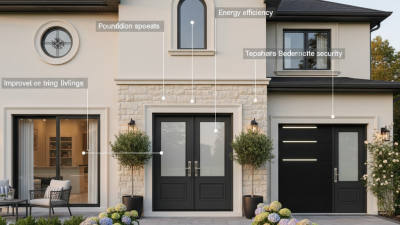

Choosing the right external doors is crucial for your home. These doors can enhance security, improve energy efficiency, and elevate curb appeal. With various materials, styles, and features available, the decision can feel overwhelming.
Understanding your home's needs and architectural style is essential. Consider the climate in your area. A door that works in a temperate zone might not be suitable for a coastal environment. For example, fiberglass often withstands humidity better than wood.
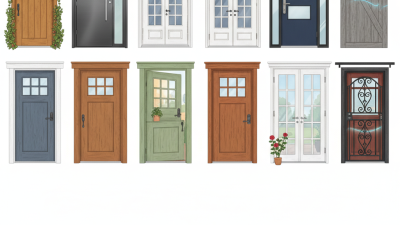
Diverse options exist, from traditional wooden doors to modern steel designs. Each type has its advantages and drawbacks. Reflect on the overall design of your home to ensure harmony. Selecting external doors can be a journey filled with questions. Balancing aesthetics with functionality is key. Take your time in making this important choice.
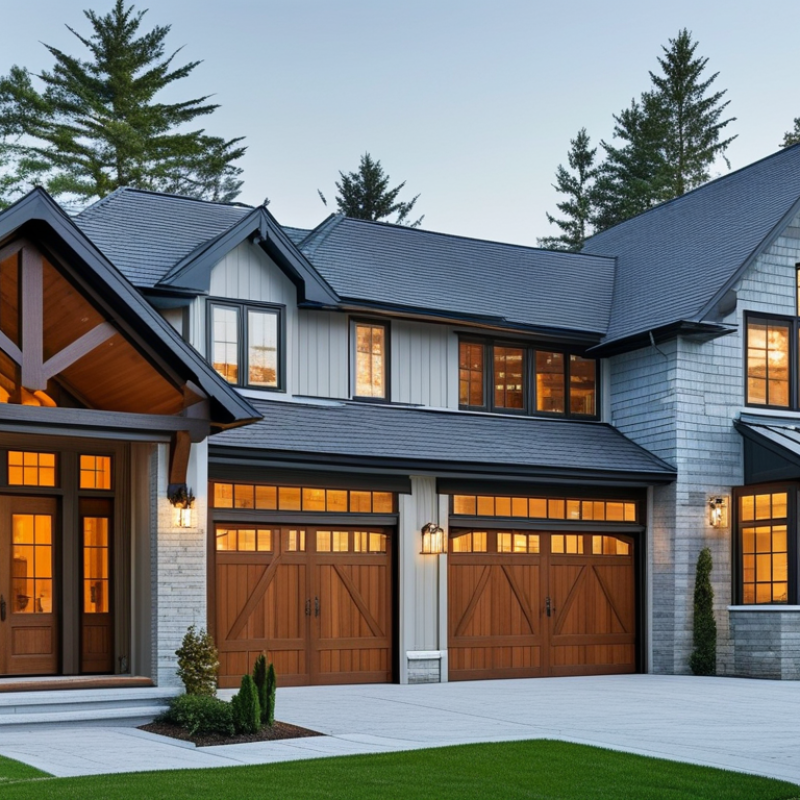
When selecting external doors for your home, consider the various types available. Each door type offers unique features that affect aesthetics, security, and energy efficiency.
Steel doors
are strong and durable, providing excellent security. They resist dents and scratches, making them ideal for high-traffic areas.
Wooden doors exude warmth and charm. They offer customizable options but require more maintenance. Over time, wood can warp or swell, especially in humid climates.
Fiberglass doors
combine aesthetics with energy efficiency. They mimic wood but are easier to maintain and resistant to harsh weather.
Tips for selection: Measure your doorframe accurately before shopping. Security should be a priority—look for doors with solid cores or multi-point locking systems. Explore energy ratings if insulation is a concern. Finally, think about the style that complements your home design. A mismatched door can detract from your overall appeal.
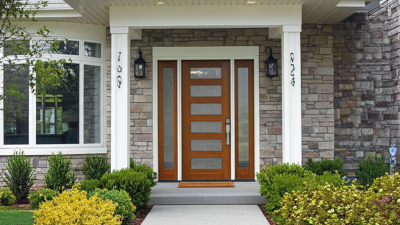
Choosing the right external doors for your home is crucial. The materials you select greatly affect durability and aesthetics. Wood, fiberglass, and metal are popular choices. Each one has its own set of advantages and disadvantages.
Wood doors offer natural beauty. They can be customized easily and provide excellent insulation. However, they require regular maintenance. Without proper care, wood can warp or rot over time.
Fiberglass doors are durable and resistant to the elements. They mimic the look of wood but require less upkeep. On the downside, they might not provide the same warmth as a solid wood door.
Metal doors are strong and secure, but can be prone to dents. They might not be as visually appealing as the other options. Evaluate each material carefully. Consider your lifestyle and local climate before making a decision.
When assessing the security features in external door designs, it’s crucial to consider various elements. The material of the door plays a significant role. Solid wood and metal doors provide better security than hollow core doors. Look for materials that resist impact and can deter break-ins.
Lock mechanisms are equally important. Deadbolts offer enhanced security compared to standard doorknobs. Ensure that locks meet industry standards. Smart locks are gaining popularity as well. They provide convenience but require power. Regular maintenance is essential to ensure they function correctly.
Pay attention to door frames as well. A strong frame adds another layer of protection. Reinforcement is key; look for frames that resist bending. Sometimes, people overlook the benefits of security features like door viewers or security cameras. Analyze your unique needs. Evaluating all these factors helps create a safer entry to your home.
| Door Type | Material | Security Features | Energy Efficiency | Average Cost ($) |
|---|---|---|---|---|
| Steel Door | Steel | Reinforced frames, Multi-point locking | High | 800 - 1500 |
| Fiberglass Door | Fiberglass | Impact-resistant, Smart lock options | Medium to High | 600 - 1200 |
| Wooden Door | Wood | Deadbolt locks, Decorative security grills | Medium | 500 - 2000 |
| Aluminum Door | Aluminum | Reinforced hinges, High-security locks | High | 700 - 1500 |
| Vinyl Door | Vinyl | Dual locking systems, Reinforced frame | Medium | 400 - 900 |
When choosing external doors, energy efficiency is crucial. Energy efficiency ratings indicate how well a door can insulate. According to the U.S. Department of Energy, around 30% of a home's energy loss occurs through doors. Selecting a door with a high energy efficiency rating can significantly reduce heating and cooling costs.
Look for doors with a high R-value. The R-value measures insulation effectiveness. A door with an R-value of 5 or more is often recommended for colder regions. Additionally, consider doors with energy-efficient glazing options. Double or triple glazing can improve thermal performance and reduce noise intrusion.
It's essential to choose materials wisely. Fiberglass and steel doors typically offer better insulation than wood. However, wood provides charm and can be energy efficient when properly sealed. Reflection on individual needs is important. All options come with trade-offs. While a less expensive door might save money upfront, it may lead to higher energy bills in the long run. An informed choice balances budget and efficiency.
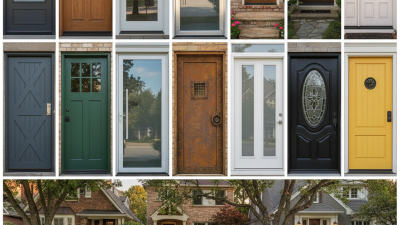
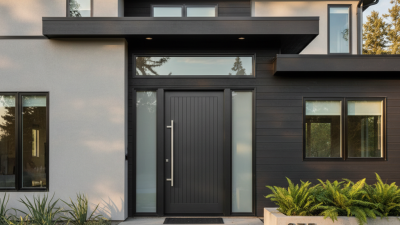
Choosing the right style and design for your external doors is crucial. The entrance to your home sets the tone for the entire property. A well-chosen door complements your home's architecture, enhancing its overall appeal. For example, a modern home might benefit from sleek, minimalistic designs. In contrast, a traditional house could shine with ornate wooden doors.
Think about the materials you choose. Wooden doors offer warmth but require maintenance. Metal options, like steel, provide durability and security but can feel cold. Glass elements can invite natural light but may lack privacy. Assess the pros and cons of each material based on your needs and lifestyle.
Consider the color as well. A bold color can make a stunning statement, but it can also lead to quick fashion fatigue. Subtle tones might blend well initially but risk appearing dull over time. Remember to reflect on how long you intend to stay. Trends change, and the perfect door today may not suit your taste in the future. Prioritizing personal preference is essential in this decision-making process.
Get the latest news straight from us on all our new products, features, services, and much more!