How to Choose the Best Panel Light for Your Needs?
Choosing the right Panel Light can significantly impact your space's ambiance and functionality. Panel lights provide efficient illumination in various settings. Understanding your needs is essential for making the best choice.
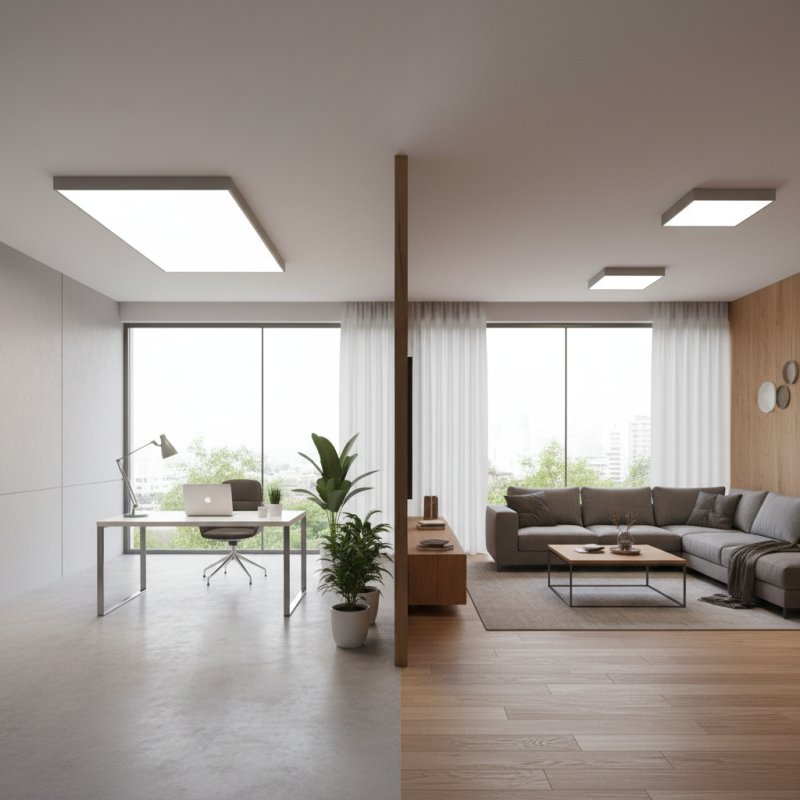
Consider the room's size and purpose. A well-lit office needs different lighting than a cozy living room. Additionally, panel lights come in various shapes and sizes. Selecting the right one requires evaluating these factors carefully. Quality matters; ensure you choose a reliable brand known for its expertise in lighting solutions.
While aesthetics are important, functionality should not be overlooked. Remember to assess the light's brightness and color temperature. A warmer light may foster comfort, while a cooler light can enhance productivity. As you explore options, reflect on your personal preferences and practical requirements. Balancing these elements will lead to a more satisfying lighting experience.
Understanding Different Types of Panel Lights Available in the Market
When exploring panel lights, it’s essential to understand the different types available. LED panel lights have gained popularity due to their energy efficiency and long lifespan. They provide even light distribution, making them ideal for office spaces. These lights can often be dimmed, allowing for customized lighting environments.
Troffer lights are another common option, typically used in commercial settings. They fit into suspended ceilings and offer a streamlined look. Their design can sometimes lead to uneven lighting, which is a consideration during selection. Choosing the right type often depends on your specific needs.
Another option is edge-lit panel lights. They are sleek and can blend well with modern décor. However, they may not provide the same level of brightness as back-lit options. While aesthetics matter, functionality should never be compromised. Consider the space's requirements before deciding. Each type comes with pros and cons that are worth deliberating.
How to Choose the Best Panel Light for Your Needs? - Understanding Different Types of Panel Lights Available in the Market
| Type of Panel Light | Brightness (Lumens) | Color Temperature (Kelvin) | Size (Inches) | Energy Efficiency (Wattage) |
| Edge-Lit Panel | 3000 lumens | 4000K | 2x2 | 40W |
| Back-Lit Panel | 2800 lumens | 5000K | 1x4 | 35W |
| Surface Mount Panel | 3200 lumens | 3000K | 2x2 | 45W |
| Recessed Panel | 3500 lumens | 3500K | 2x4 | 50W |
Evaluating the Brightness and Color Temperature for Your Space
When selecting panel lights, brightness and color temperature are key factors. Brightness, measured in lumens, directly influences how well a space is illuminated. An ideal office should have around 400-500 lumens per square meter. In contrast, a cozy living room benefits from softer lighting, about 200-300 lumens per square meter.
Color temperature, expressed in Kelvins, sets the mood. Warm white (2700-3000K) creates a relaxing atmosphere, perfect for bedrooms. Cool white (4000-5000K) enhances focus, suitable for workspaces. Consider the activities you'll perform in each area. What feels inviting and functional varies widely between individuals.
Tips: Experiment with different hues and brightness levels. You might find a color that feels off at first grows on you. Don't rush this decision; take your time to adjust. Observe how light changes throughout the day in your space. This will influence your final choice more than you might expect.
Brightness and Color Temperature Preferences for Panel Lights
Assessing Energy Efficiency Ratings for Cost-Effective Choices
When choosing panel lights, energy efficiency is key. Understanding energy efficiency ratings can help you make informed choices. Look for lights that have a high lumen output for low wattage. This means you get more light for less energy. It’s about saving money on your electric bills while enjoying bright spaces.
Consider your specific needs. If you want better efficiency, check for certifications like ENERGY STAR. This label guarantees that the product meets strict energy-saving guidelines. Not all lights with a high price tag are energy-efficient. Sometimes, cheaper options have better ratings.
Tips: Always compare lumens to watts. A panel light with 2000 lumens at 20 watts is more efficient than one with 1000 lumens at 10 watts. Don't overlook the color temperature, too. Cooler lights can be more energy-efficient in some cases.
Assessing energy efficiency isn’t just about saving money. It can impact your comfort and well-being. Bright, efficient panel lights can create a more inviting environment. Remember, making the right choice involves some research and consideration. You may discover that a less popular option fits your needs better.
Considering Size and Design to Fit Your Interior Aesthetics
When selecting a panel light, size and design play a crucial role in enhancing your interior aesthetics. According to the latest industry reports, over 70% of consumers prioritize design when purchasing lighting fixtures. This statistic highlights the importance of aligning your panel light's appearance with your existing décor. Choosing the right shape and finish is essential. A sleek, minimalist design can complement modern interiors, while a more ornate style may suit traditional spaces.
Choosing the right size is equally important. The lighting should scale appropriately to the room. For example, a small light fixture in a large room can feel lost. Conversely, oversized lights may overwhelm a compact space. Experts suggest that for an average room, a panel light should cover about 15% to 20% of the ceiling area. This ensures adequate illumination while maintaining balance with the surroundings.
Color temperature also affects design choices. Warmer tones can create a cozy atmosphere, while cooler tones are energizing. This can influence how the space feels. However, many homeowners fail to consider these details, leading to poor lighting choices that clash with their design vision. Understanding these elements can guide your selection process more effectively.
Exploring Installation Options and Maintenance Requirements for Panel Lights
When selecting panel lights, it's crucial to consider installation options. Different spaces require different mounting methods. For example, recessed panel lights offer a sleek look and fit flush into ceilings. However, they require specific ceiling types for proper installation. Ensure you check the ceiling access and space available for recessed fixtures. Surface-mounted options are more versatile and suitable for various ceiling types. They are easier to install, making them ideal for DIY projects.
Maintenance is another aspect that often gets overlooked. Panel lights generally require minimal care, but regular checks are beneficial. Dust can accumulate on the fixtures, reducing light output. Cleaning them occasionally can improve efficiency. Additionally, consider the lifespan of the LED modules. Most panel lights last long, but some components may need replacement. Being proactive about maintenance ensures that your panel lights continue to perform well over time. Don't ignore flickering or dimming; these could be signs that something isn’t right. Ignoring such issues can lead to more extensive problems and costly repairs.