

Choosing the right 3 Inch C Channel is crucial for your project’s success. The C channel's dimensions impact strength and flexibility. It plays a vital role in various applications, from construction to manufacturing.
When selecting a 3 Inch C Channel, consider the material types available. Steel, aluminum, and galvanized options each offer unique benefits. Steel provides strength, while aluminum is lightweight and resistant to corrosion. Each material can affect the overall performance of your project.
It is essential to assess your project’s specific requirements. Analyze the load that the channel must support. A wrong choice may lead to structural issues or inefficiencies. Balancing factors like durability and weight is fundamental. An informed decision will enhance the project's reliability and effectiveness over time.
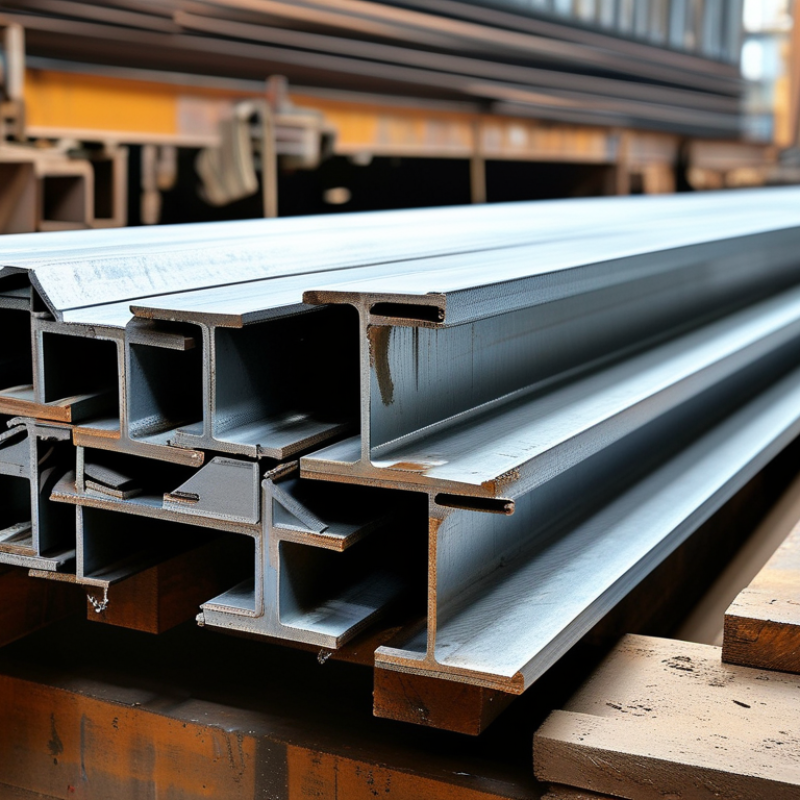
When working with 3 inch C channels, understanding their specifications is crucial. These channels typically come in various materials, including steel and aluminum. Steel C channels are strong and suitable for heavy-duty applications. Aluminum options are lighter, making them ideal for projects requiring less structural weight. Knowing the material properties helps you decide which one fits your project best.
The dimensions are also key. A 3 inch C channel can vary in thickness, affecting its load-bearing capacity. Common thicknesses range from 1/8 inch to 1/4 inch. Thicker channels offer more strength but may be heavier and more challenging to work with. It's essential to evaluate the load your project will impose on the C channel. However, this can lead to an overly complex design if underestimated.
Additionally, consider the application. C channels can be used in construction, manufacturing, or DIY projects. Understanding the intended use can guide your choice. A miscalculated decision might lead to structural failures or costly modifications later. Be mindful of all aspects, and don't hesitate to seek expert advice if needed. Engaging with professionals can provide insights you might overlook.
When selecting a 3 inch C channel, the choice between steel and aluminum is crucial. Each material has distinct advantages based on project requirements. Steel is known for its high tensile strength. It typically has a yield strength of around 250 MPa, making it suitable for heavy-duty applications. Aluminum, on the other hand, offers excellent corrosion resistance. Its lighter weight, approximately one-third of steel's, can be beneficial in reducing transportation and labor costs.
However, both materials come with considerations. Steel can rust if not properly coated, which raises maintenance concerns. In contrast, aluminum can bend more easily under heavy loads. Industry data suggests that around 15% of structural failures are due to improper material selection. Evaluating the environment of your project is necessary. For outdoor applications, aluminum may be more reliable in coastal areas. If strength is paramount, steel could be the better choice.
A detailed analysis of the project needs is essential. Factors like load-bearing capacity, environmental conditions, and cost should drive the decision-making process. Insufficient attention to these variables can lead to unforeseen challenges. The choice of material ultimately impacts durability and performance, further emphasizing the need for careful evaluation.
When selecting a 3-inch C channel, load-bearing capacity is crucial. Each project has unique demands. Understanding how much weight the channel will support is vital for structural integrity. Calculate the expected loads, including static and dynamic forces. This step ensures safety and reliability in your construction.
The material you choose affects the C channel's performance. Steel is popular for its strength. However, aluminum may be lighter and corrosion-resistant. Evaluate your project’s environment. A harsh setting may require more durable options. Consider also potential stress points where failure might occur.
It's essential to review specifications from reliable sources. Confirm that your chosen C channel aligns with your project requirements. Do not overlook small details like weld points or connections. Reflect on past projects and learn from any missteps. Sometimes, the slightest oversight can lead to significant consequences.
Choosing the right 3-inch C channel involves understanding its resistance to corrosion. Corrosion can lead to structural issues. Data from the American Society for Testing and Materials indicates that untreated steel can corrode significantly when exposed to moisture. This damage can reduce integrity and safety.
To enhance longevity, selecting the right coating is crucial. Galvanizing is a common method that involves applying a protective zinc layer. A report from the Steel Construction Institute notes that galvanized coatings can increase the lifespan of steel structures by up to 50 years in harsh environments. However, not all projects require such extensive protection.
Consider the environment where the C channel will be used. Marine and industrial settings pose higher risks for rust. For interior applications, a primer coat might suffice. Reflection on past projects shows that underestimating corrosion can be costly. Project managers should weigh options carefully.
Choosing the right 3-inch C channel for your project involves more than just material selection. A significant aspect is budgeting for your project. Understanding the costs associated with C channels is essential. Prices can vary based on material type and thickness. Steel is heavier but often offers better strength. Aluminum is lighter, making it easier to handle.
When estimating your budget, consider the total length needed for your project. Longer lengths can lead to higher costs. Additionally, shipping fees can add up. It's wise to check different suppliers to find competitive pricing. Planning for waste is also important. Typically, extra material is necessary for cuts and mistakes.
Consider the location of your project. If it's in an area with high transportation costs, that may inflate your budget. Ensure you factor in all potential expenses. It’s easy to underestimate costs when you focus solely on the C channel price. Remember, a well-planned budget can save future headaches. Each project is unique, and adjustments may be needed as you refine your choices. Always be open to reassessing your plans as new information arises.
| Material | Weight per Foot (lbs) | Cost per Foot ($) | Corrosion Resistance | Typical Applications |
|---|---|---|---|---|
| Steel | 3.5 | 1.50 | Moderate | Construction, Railing |
| Aluminum | 2.5 | 3.00 | High | Marine Applications, HVAC |
| Stainless Steel | 4.0 | 5.00 | Very High | Food Processing, Chemical Industry |
| Galvanized Steel | 3.7 | 2.00 | High | Outdoor Structures, Fencing |
Get the latest news straight from us on all our new products, features, services, and much more!
