


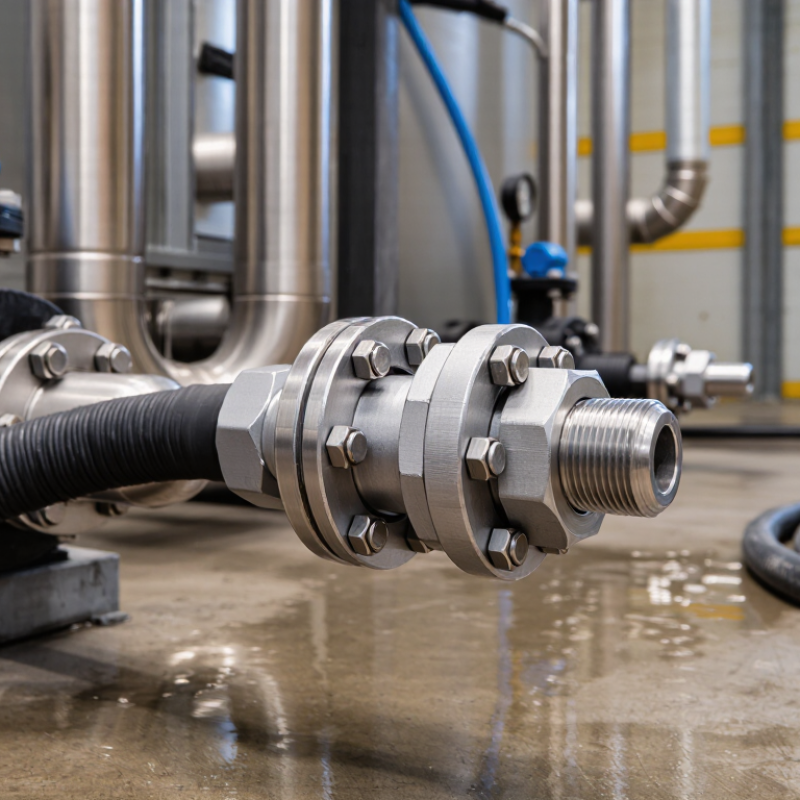
Choosing a discharge hose coupler starts with pressure, not convenience. Check the hose assembly’s maximum working pressure, surge pressure, and vacuum rating. ISO 18752 classifies industrial hoses by pressure, temperature, and application performance. The coupler must match the lowest-rated component. A 10-bar hose does not create a 10-bar assembly automatically.
Temperature changes the calculation. Review both the fluid temperature and the surrounding environment. Heat can soften elastomers, while cold can reduce flexibility and sealing performance. The European Chemicals Agency reported more than 23,000 substances under REACH registration in its 2023 progress data. That scale shows why chemical names alone are insufficient. Confirm concentration, exposure time, and operating temperature. Check the seal material, wetted metal, and plating. Some fluids attack seals slowly. The leak may appear weeks later.
Field inspection matters too. I have seen couplers selected correctly on paper, then installed with twisted hoses and poor support. That mistake creates side loading at the connection. Use the manufacturer’s tested pressure data, not a hopeful estimate. Standards such as EN 12115 also emphasize electrical continuity and hose assembly performance for chemical service. Document the test medium and temperature. Recheck the coupling after thermal cycling and pressure pulses. A clean-looking connection can still be wrong. My own rule is simple: if compatibility data is missing, pause the purchase. The missing detail is the risk.