Why Choosing the Right Exterior Front Door Matters for Your Home
Choosing the right exterior front door is crucial for your home’s aesthetic and security. According to the National Association of Realtors, replacing your front door can yield a return on investment of over 75%. This demonstrates the importance of this decision. Your exterior front door is often the first impression guests have of your home.
Numerous styles and materials are available, which can be overwhelming. Wood doors offer classic beauty but require maintenance. Steel doors provide better security, reducing break-in risks by up to 15% according to industry studies. It’s essential to weigh these factors.
Additionally, the right exterior front door can improve energy efficiency. A well-insulated door can save homeowners about 10% on energy bills. A poorly chosen door can lead to drafts and higher costs. Reflecting on these details ensures you are making an informed choice, balancing aesthetics with practicality.
The Importance of First Impressions: The Role of Front Doors
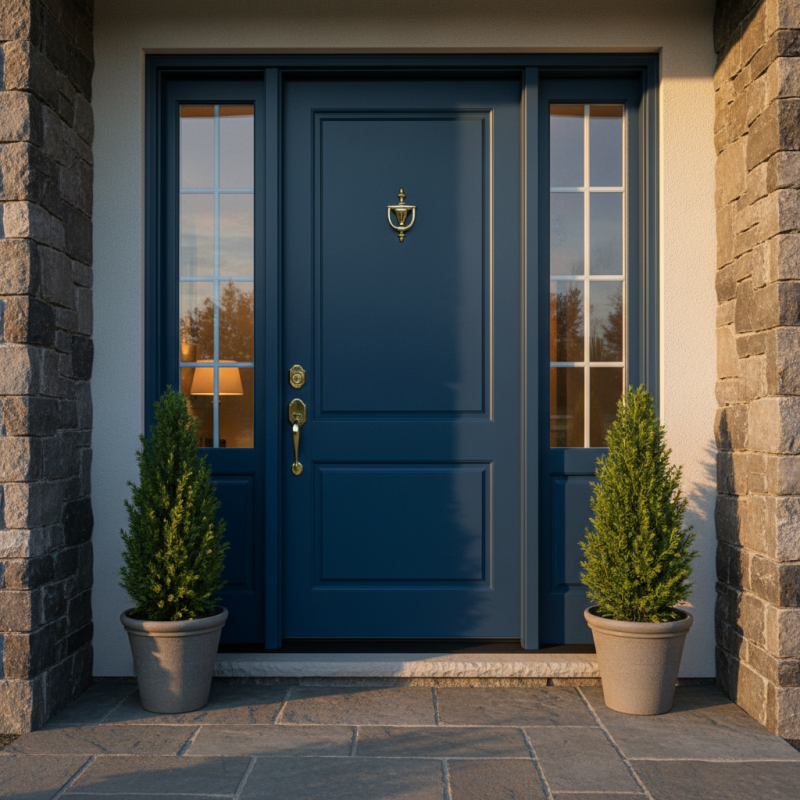
A front door is more than just an entry point. It’s the first thing visitors see. A well-chosen door makes a strong impression. It can reflect the style of your home. A solid door can communicate security and warmth. A bright color might express creativity and openness.
Often, homeowners overlook this crucial detail. Many choose doors based solely on price. Others might not consider the door’s material. A wooden door can add charm, while metal doors often represent durability. Each option tells a different story. The choice should represent not just style but also personality.
Think about your neighborhood too. A flashy door may clash with quieter homes. Subtle elegance often resonates more than bold statements. A door should invite rather than intimidate. Reflect on what message your door sends. It’s worth taking the time to make the right choice.
Factors to Consider When Selecting an Exterior Front Door
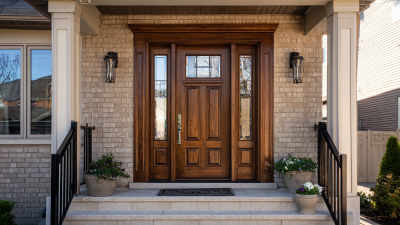
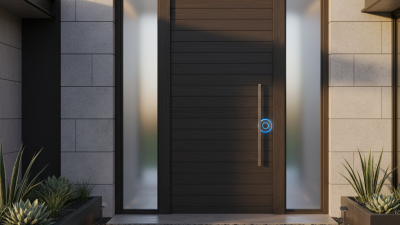
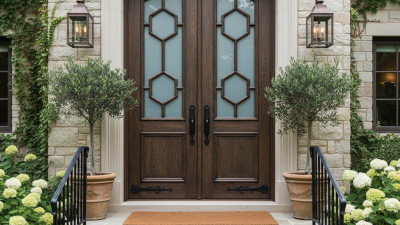
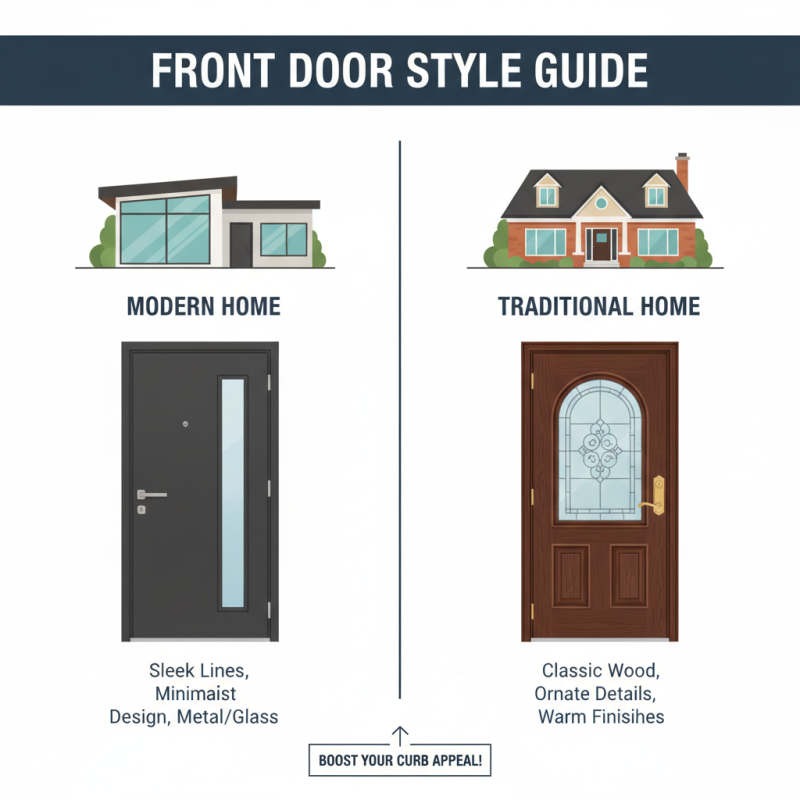
When selecting an exterior front door, several factors come into play. The style of your door should complement your home's architecture. For instance, a modern house may benefit from sleek lines and minimalist design. Conversely, a traditional home may shine with a classic wooden door featuring intricate details. It's essential to visualize how each option enhances your home's overall curb appeal.
Material choice also matters significantly. Wood doors offer warmth but require more maintenance. Fiberglass provides durability and can mimic wood’s appearance. Steel doors are strong and secure but may lack character. Consider your climate, too. A door that works well in a warm, humid area may not hold up in cold, snowy regions. This choice could affect energy efficiency, and ultimately your comfort.
Don’t overlook security features. Some doors come with advanced locking mechanisms, which add an extra layer of safety. Not all doors are built equally in this regard. It’s worth researching and weighing your concerns. Expect to spend time figuring out which balance works best. Choosing the right front door is not always straightforward, but thoughtful consideration can lead to a more effective and attractive entrance to your home.
Material Choices for Exterior Front Doors: Pros and Cons
Choosing the right material for your exterior front door is crucial. It's the first impression visitors get. Furthermore, the material affects durability, insulation, and maintenance.
Wooden doors offer classic beauty. They can be painted or stained for a custom look. However, they require regular maintenance. Wood can warp or rot over time. So, think about the climate in your area. A well-maintained wooden door can last, but neglect might lead to regrets.
Steel doors provide excellent security. They resist dents and are energy-efficient. However, they can be prone to rust in humid environments. Consider insulation value too. A steel door may not have the elegance of wood but can be an economical choice. Fiber-glass doors mimic wood's appearance while being more durable. They don’t need as much upkeep. Yet, are they as sturdy? Reflect on what matters most for your home.
Material Choices for Exterior Front Doors: Pros and Cons
Energy Efficiency and Security: Why They Matter in Front Doors
When selecting a front door, energy efficiency should be a top concern. An exterior door that properly insulates can keep your home warm in winter and cool in summer. Poor insulation leads to increased energy bills. You might find yourself paying more each month without realizing it. Drafts can sneak in, reducing comfort levels and increasing heating or cooling needs.
Security is another essential factor. A front door serves as your home's first line of defense. Choosing a solid, sturdy door can deter potential intruders. Features like multi-point locking systems can enhance safety. However, not all doors come equipped with these features. Some homeowners overlook this detail, leaving their homes vulnerable.
Consider how aesthetics tie into these practical aspects. A beautiful door can improve curb appeal but shouldn't compromise on functionality. Striking a balance is key. You might adore a stylish option, but if it lacks security or energy efficiency, it will be a poor choice. Reflect on what this means for your home’s long-term health.
Why Choosing the Right Exterior Front Door Matters for Your Home - Energy Efficiency and Security: Why They Matter in Front Doors
| Feature |
Description |
Importance |
| Energy Efficiency |
Front doors with good insulation prevent heat loss and improve energy savings. |
Reduces heating and cooling costs; increases comfort indoors. |
| Security Features |
Reinforced frames, deadbolts, and impact-resistant materials enhance security. |
Protects against break-ins; ensures family safety. |
| Aesthetics |
Available in various styles and materials to match home design. |
Enhances curb appeal; reflects personal style. |
| Durability |
Made from materials that withstand weather, wear, and tear. |
Long-term investment; minimizes need for replacements. |
| Cost |
Initial purchase cost versus long-term savings in energy and maintenance. |
Balancing budget with benefits; greater value over time. |
Design Styles and Aesthetic Appeal of Front Doors for Your Home
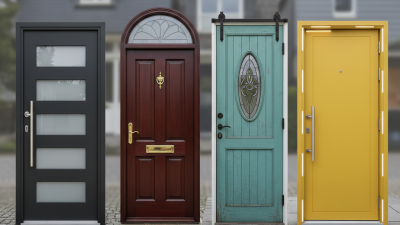
The front door sets the tone for your home. It’s the first thing visitors see. Choosing a door that matches your aesthetic is crucial. Different designs can evoke various feelings. A sleek, modern door might suggest sophistication. A rustic wood door can create warmth and charm.
Consider the architectural style of your home. A Victorian house can benefit from intricate details. Meanwhile, a contemporary home may shine with a minimalist design. Colors also play a significant role. Bold colors can make a statement. Soft hues can blend into the background, creating a subtle entrance.
**Tips:** Focus on balance. Make sure your door complements the overall look of your home. Think about your neighborhood's vibe. A mismatched door can feel out of place. Don’t shy away from personal touches. You want your door to reflect your style while remaining functional.