Essential Tips for Choosing the Right Stove Range Hood?
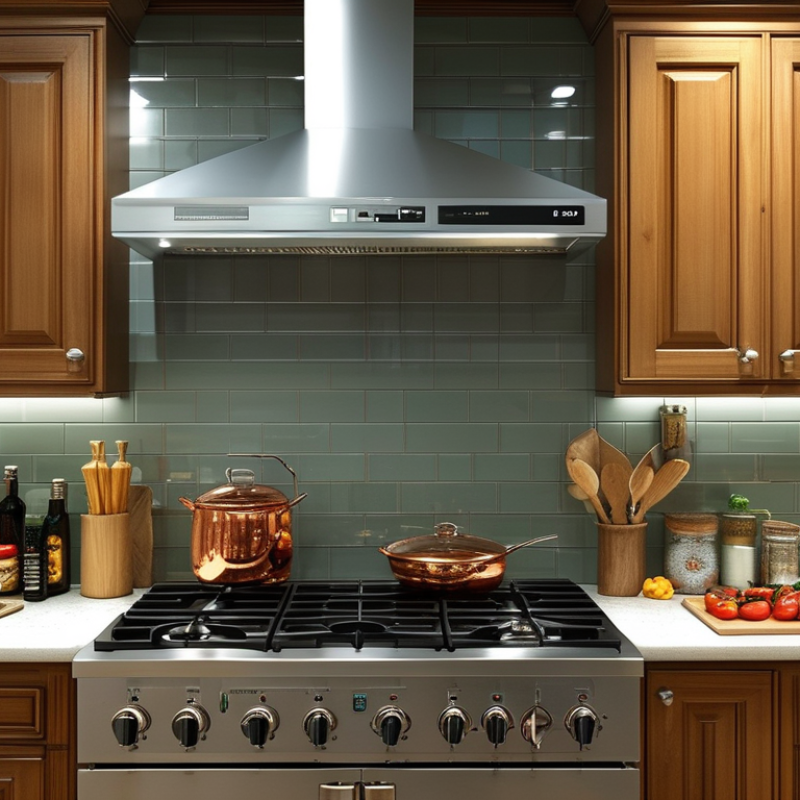
Choosing the right Stove Range Hood can profoundly impact your kitchen experience. It's not just about aesthetics; a proper hood ensures better air quality and comfort. If your hood lacks efficiency, it can lead to stubborn odors and smoke lingering in your space.
There are various factors to consider when selecting a Stove Range Hood. Ventilation types, sizes, and styles matter significantly. An ideal choice will align with your cooking habits and kitchen design. You may feel overwhelmed by the options available. This often leads to confusion and potentially regrettable decisions.
Many people overlook the importance of noise levels and maintenance. Some hoods are quieter but may sacrifice power. A balance between these elements is crucial for lasting satisfaction. Reflecting on your unique needs can guide you toward a more informed choice.
Understanding the Purpose of a Stove Range Hood
A stove range hood serves a critical function in any kitchen. It helps maintain air quality by removing smoke, odors, and excess moisture generated during cooking. According to the U.S. Environmental Protection Agency, indoor air pollution can be up to five times worse than outdoor air. A proper range hood significantly reduces contaminants, making cooking healthier and more enjoyable.
When selecting a hood, consider the type of ventilation it offers. There are two main types: ducted and ductless. Ducted hoods expel air outside, which is ideal for effectively clearing cooking byproducts. However, they require proper installation. Ductless hoods filter air and recirculate it back into the kitchen. While easier to install, their efficiency is often lower, leading to potential lingering smells and humidity.
Noise level is also a primary factor. A study from the Home Ventilating Institute found that 80% of homeowners prioritize low noise levels. Hoods can range from 50 to over 70 decibels. A quieter model ensures a more pleasant cooking experience, which is often overlooked. Evaluate your kitchen size and cooking habits to choose a hood that meets both functional and aesthetic needs while considering these key elements.
Types of Stove Range Hoods: Which One is Right for You?
When selecting a stove range hood, consider the various types available. Wall-mounted hoods are popular for their efficiency. They provide strong airflow and blend well with modern designs. According to the Home Ventilating Institute, these models can effectively remove about 70% of airborne cooking pollutants. Island hoods serve a similar purpose but are designed for open kitchens. Their aesthetics and functionality complement the space but often require more maintenance.
Under-cabinet hoods are another option, suitable for kitchens with limited space. They fit neatly under cabinets and offer good ventilation. However, they may not capture all the smoke and odors if positioned incorrectly. A professional installation can significantly enhance performance. Ducted hoods generally perform better in removing humidity and odors. However, ductless options appeal to those who prioritize easy installation. A 2022 study found that ductless hoods only remove 50% of odors, highlighting their limitations.
Ultimately, your choice should reflect your cooking habits and kitchen layout. Ensure you are considering factors like noise levels and maintenance requirements. Each style has its pros and cons. Choosing the right hood can make a big difference in your cooking experience. Take your time to evaluate what aligns best with your needs.
Factors to Consider When Choosing a Stove Range Hood
When selecting a stove range hood, several factors play a crucial role. The size of your kitchen is one of the most important. A hood should be proportional to your stove and kitchen layout. If it’s too small, it won’t effectively remove smoke and odors. Conversely, a hood that is too large can overwhelm a compact space. Measure your cooking area carefully to avoid these common pitfalls.
Additionally, consider the hood's ventilation type. There are two main categories: ducted and ductless. Ducted hoods expel air outside, which is ideal for heavy cooking. Ductless hoods filter and recirculate air but may not be as effective for intense cooking. Understand your cooking habits before deciding. Many users see the difference in performance once they switch. Therefore, researching can be key to finding the right fit.
Noise level is another significant aspect. Some hoods can be ridiculously loud, making cooking less enjoyable. Look for models with a lower sones rating. Comfort in your kitchen environment can greatly enhance your cooking experience. Not all hoods offer quiet operation, so take the time to read reviews. This can prevent frustration later on. Keeping these factors in mind will lead to a more satisfying choice.
Installation Considerations for Your Range Hood
When installing a range hood, consider the ceiling height. A standard installation usually requires the hood to be 24 to 30 inches above the cooktop. If your kitchen has high ceilings, you may need a chimney extension. Measure carefully to ensure proper placement. A too-low hood can interfere with cooking, while a high one may not effectively ventilate.
Ventilation type is important as well. Choose between ducted or ductless options based on your kitchen layout and preferences. Ducted hoods expel air outside, offering better smoke and odor removal. Ductless hoods recirculate air, making installation simpler in some situations but may require more frequent filter changes.
Check local building codes. Some areas have specific guidelines on ventilation systems. Ignoring these can lead to issues down the line. Also, consider the noise level of the hood. A quieter model may be worth the investment. Reflect on your cooking habits and kitchen style. A well-chosen hood not only works efficiently but complements your space, enhancing both function and aesthetic appeal.
Essential Tips for Choosing the Right Stove Range Hood
This bar chart illustrates the average values of critical factors to consider when selecting a stove range hood. Proper assessment of exhaust speed, noise level, energy efficiency, and cost can significantly enhance your kitchen experience.
Maintaining Your Stove Range Hood for Optimal Performance
Maintaining your stove range hood is crucial for its optimal performance. Regular cleaning helps remove grease and dust that accumulate over time. Use a mild detergent and a soft cloth for the exterior. Avoid harsh chemicals that could damage the surface. Moreover, check the filters regularly. Dirty filters can hinder airflow and reduce efficiency. Wash or replace them as needed.
Another aspect to consider is the fan motor. It should be quiet during operation. If its noise level increases, this might indicate an issue. Regular inspections can help catch problems early. Unclogging ducts is also important. Accumulated debris can obstruct airflow, leading to poor ventilation.
Pay attention to your range hood lights. If they burn out frequently, it may signal an electrical issue. Ensuring proper lighting will help you monitor cooking activities effectively. Invest time in maintenance to enhance the life of your appliance. Remember, minor issues can evolve into major problems if neglected.