

What is Front Door Installation and Why is it Important?

Front door installation is a critical aspect of home improvement. It serves as a first line of defense against weather and intruders. A well-installed front door enhances energy efficiency and can significantly impact your home’s curb appeal. Choosing the right material and style is vital for achieving both functionality and aesthetics.

However, many homeowners overlook the importance of this process. Often, fragile doors are installed, leading to potential security risks. Clear instructions and proper tools are essential for successful installation. Some may feel confident but underestimate the complexities involved. Even minor misalignments can lead to bigger issues down the road.

Investing time in quality front door installation pays off. It adds to your home’s value and ensures your family’s safety. Whether you’re a DIY enthusiast or hiring a professional, understanding the stakes of this process is crucial. Taking the right steps makes a notable difference.
What is Front Door Installation and Why is it Important?

Definition of Front Door Installation and Its Basic Components

What is Front Door Installation and Why is it Important?

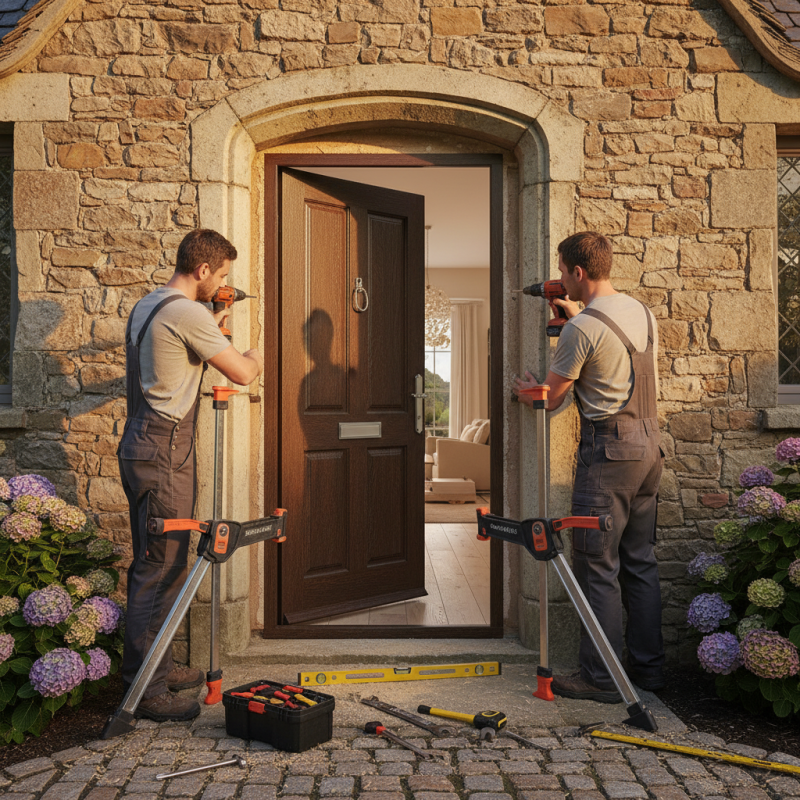
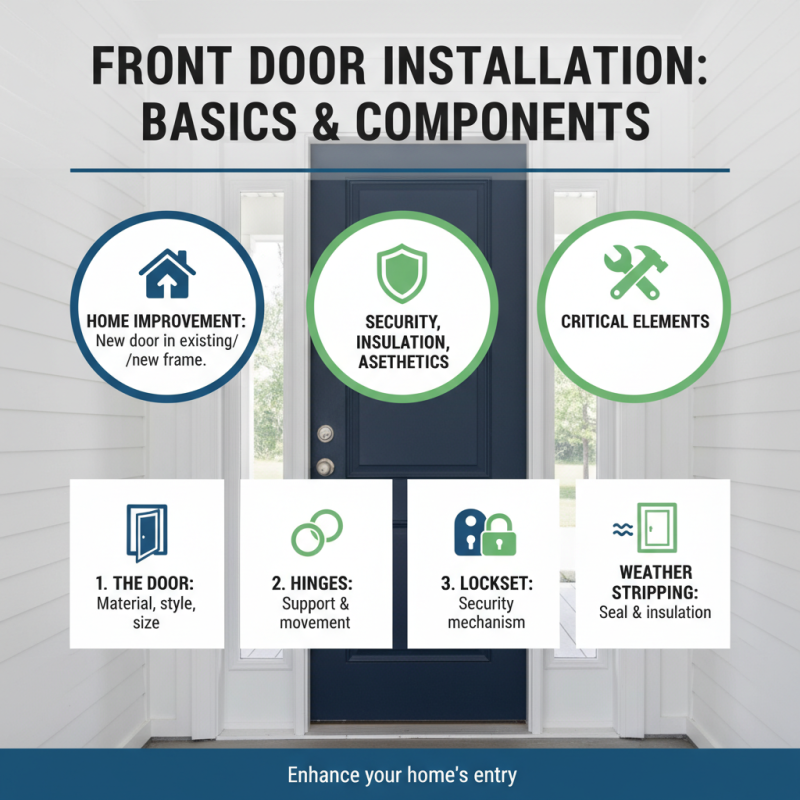
Front door installation is a critical element of home improvement. It involves the process of fitting a new front door into an existing frame or creating a new frame altogether. Essential components include the door itself, hinges, the lockset, and weather stripping. Each element plays a significant role in ensuring security, insulation, and aesthetics.

The choice of materials for the front door can vary widely. Wood, fiberglass, and steel are common options. Each material has its unique advantages. For instance, wood provides a classic look but may require more maintenance. On the other hand, steel offers superior security and durability but can be prone to rust.

Installing a front door can be a straightforward task, yet it requires attention to detail. A poorly installed door can lead to drafts or security issues. The alignment and sealing must be perfect. Even a small gap can allow air or pests to enter. This reminds us that quality should take precedence over speed during installation. Taking the time to ensure everything is right can significantly enhance one's home environment.
Benefits of Professional Front Door Installation

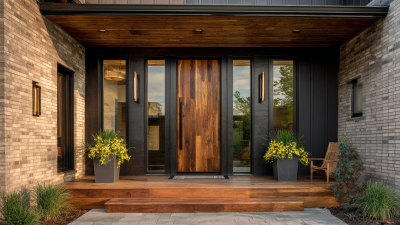
When it comes to front door installation, choosing professional services can significantly impact your home's security and aesthetics. According to a 2022 report by the American Institute of Architects, more than 50% of homeowners stated that entry doors are central to their home's first impression. A well-installed front door enhances curb appeal and may even boost property value.

The benefits of professional installation extend beyond looks. A study by the Door and Access Systems Manufacturers Association found that doors installed correctly can improve energy efficiency by up to 25%. This reduction in energy costs translates to significant savings over time. Professional installers possess the expertise to ensure that doors are aligned properly, preventing issues like drafts or water leakage.

However, not all installations go smoothly. There are cases where DIY attempts lead to mismeasurements or improper sealing, resulting in costly repairs. It's crucial to weigh the risks of cutting corners against the expertise of professionals. Engaging with trained personnel helps avoid these pitfalls and ensures longevity and function. Quality installation is as vital as the door itself, influencing safety and comfort in daily life.

What is Front Door Installation and Why is it Important? - Benefits of Professional Front Door Installation

Dimension Details
Material Fiberglass
Energy Efficiency Provides insulation, reducing energy costs
Security Features Multi-point locking systems
Curb Appeal Enhances the overall aesthetic of the home
Durability Resistant to warping, cracking, and fading
Installation Time Typically 4-6 hours
Warranty Limited lifetime warranty available
Cost Range $800 - $3000 depending on material and style

Common Types of Front Doors and Their Features

What is Front Door Installation and Why is it Important?

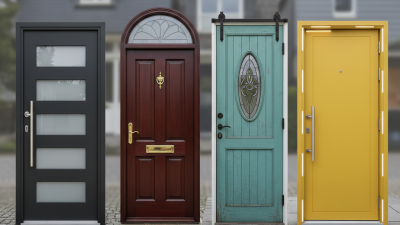
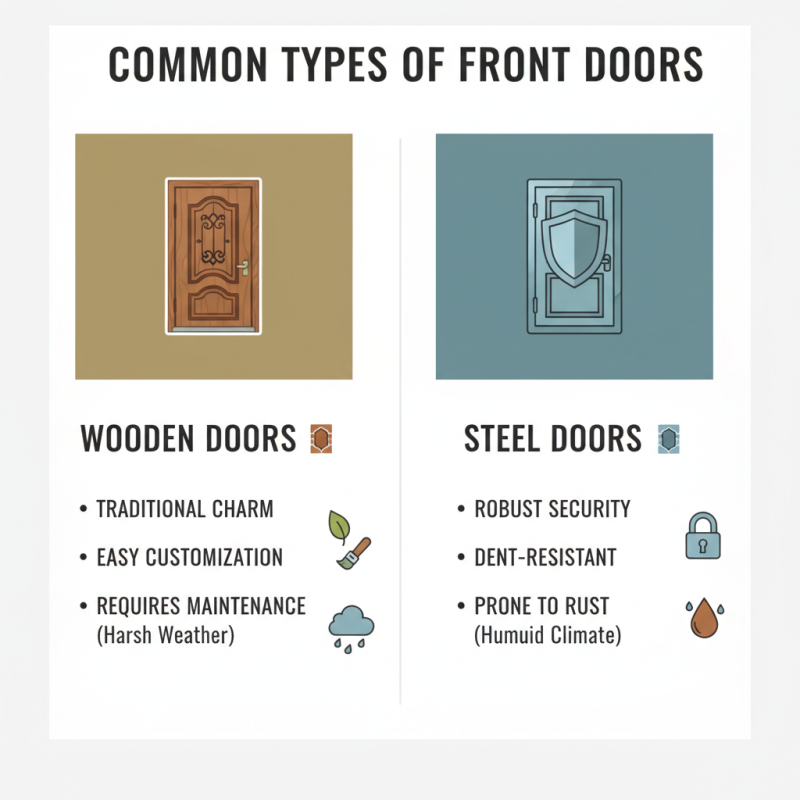
When considering front doors, various options cater to different needs and aesthetics. Traditional wooden doors offer charm and warmth. They can be customized easily, but they require regular maintenance. Think about this if your area faces harsh weather changes. Steel doors are more robust and provide excellent security. They resist dents but can be prone to rust. This is crucial if you live in a humid climate.

Fiberglass doors are becoming popular due to their durability and energy efficiency. They mimic wood well but don’t warp. They are a good choice for busy families.

*Tip: Always choose doors with proper insulation. This improves energy efficiency and keeps your home comfortable.*

Considering glass panel doors is also essential. They allow natural light in, making spaces feel larger. However, privacy can be an issue. Reflect on how much seclusion you need in your entrance.

*Tip: Install frosted or textured glass for added privacy.*

Choosing the right front door requires balancing aesthetics and functionality. Evaluate your need for security, maintenance, and style. Each option has its pros and cons; take time to reflect on what suits your home best.

Step-by-Step Process of Installing a Front Door

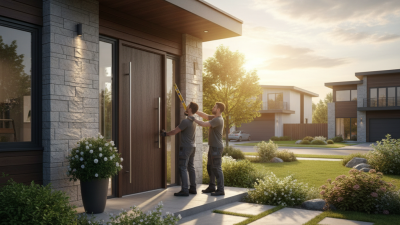
Installing a front door adds both functionality and curb appeal to a home. The process, however, requires careful execution and planning. A well-installed front door may enhance energy efficiency by up to 30%, as reported by the National Association of Home Builders. This demonstrates the significant impact a quality installation can make.

Begin by measuring the door frame accurately. Ensure that the width and height are suitable for the new door. An incorrect fit can lead to drafts, energy loss, and potential water damage. It's crucial to consider the threshold and how it aligns with the floor. Next, remove the old door and inspect the frame for damage. This step is often overlooked, but any rot or warping needs attention before proceeding.

Once the frame is ready, it’s time to position the new door. Check for level alignment both horizontally and vertically. Even a slight misalignment can cause functional issues, leading to sticky doors or poor sealing. Secure the door with appropriate screws and install the hardware carefully. This process is vital to ensure longevity. Many underestimate the importance of these details, yet they can significantly affect performance and aesthetics over time.

Factors to Consider When Choosing a Front Door

Choosing the right front door involves several important factors. Security should be a top priority. A sturdy door can deter break-ins. Look for materials like fiberglass or solid wood. These offer better protection than hollow options. The door's locking mechanism is equally crucial. Ensure it has a high-quality deadbolt.

Energy efficiency is another key concern. A well-insulated door helps reduce energy bills. Check for high R-values when selecting materials. Opt for double or triple-pane glass if your door has windows. This helps maintain your home’s temperature. Poor insulation can lead to discomfort and higher energy costs.

Aesthetic appeal also matters. The front door sets the tone for your home. Choose a style that complements your architecture. Color and finish can enhance curb appeal. However, remember that trends change. What looks good today might not appeal tomorrow. Reflecting on your long-term preferences is vital. Investing time in these factors ensures you make a choice that lasts.

Factors to Consider When Choosing a Front Door