What Is PU Stone Wall Panel and How Is It Used?
A PU Stone Wall Panel is a lightweight architectural panel designed to imitate natural stone, brick, or carved masonry. It is usually made from molded polyurethane with a textured surface and colored finish. Unlike genuine stone, it does not require heavy structural support. That difference makes it useful for feature walls, retail interiors, restaurants, offices, and selected exterior applications. However, its performance depends on the manufacturer’s specifications.
The panel is commonly fixed over a clean, stable surface with compatible adhesive, screws, or both. Installers cut openings around sockets, windows, and corners using suitable tools. Seams may require trim, paint, or carefully matched texture. Measure twice. A realistic installation needs more than attractive panels. The wall must be dry, reasonably level, and free from dust or loose coatings. Product ratings should be checked for moisture, sunlight, fire performance, and temperature changes. Not every PU Stone Wall Panel is suitable for outdoor use.
This article explains what these panels are, how they are used, and where they may be appropriate. It also considers installation limits, maintenance needs, and common selection mistakes. A convincing stone effect can still look artificial when joints are poorly planned. The material is not flawless. Some finishes may fade, dent, or reveal repeated patterns over time. That is why samples should be viewed under actual lighting before purchase. Reliable decisions come from comparing technical data, installation conditions, and long-term expectations. Style matters, but practical evidence matters more.
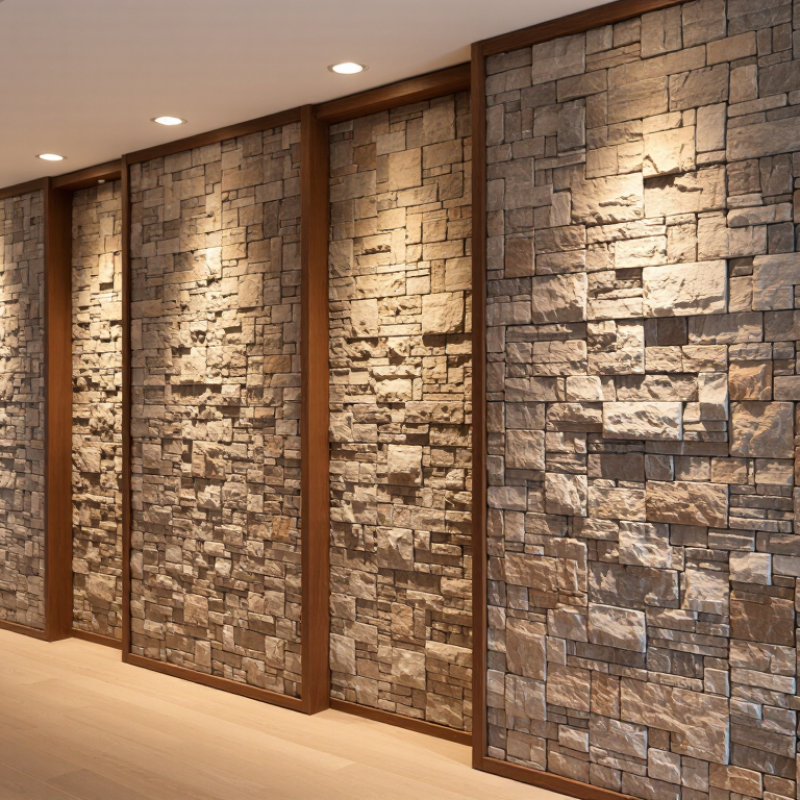
What Is a PU Stone Wall Panel?
A PU stone wall panel is a decorative wall covering made from polyurethane foam. It is molded to imitate stone, brick, slate, or masonry textures. Unlike natural stone, it has a low weight and does not require a deep structural base. Many panels include colored surfaces, recessed joints, and irregular edges for a more convincing appearance.
In practical use, installers cut panels with common woodworking tools and secure them to prepared walls. A clean, dry, reasonably flat surface gives better results. Screws, compatible adhesive, and carefully filled seams help prevent visible gaps. The panels can refresh living rooms, reception areas, retail interiors, and selected exterior surfaces. Check the product’s technical data before outdoor installation. Not every PU panel has the same UV, moisture, or fire performance.
It feels surprisingly light.
I have found that texture matters more than color alone. Strong shadows around corners can make a panel look artificial, especially under bright ceiling lights. Slightly varying panel positions may create a more natural stone pattern, but excessive variation can look careless. PU panels are not structural masonry, and they should not replace a load-bearing wall or protective building system. Cleaning usually requires a soft brush and mild detergent. Harsh solvents may damage the surface, although this depends on the finish. Some installation guides also underestimate wall preparation. That step often determines whether the finished surface looks professional.
How PU Stone Wall Panels Are Made
PU stone wall panels are lightweight decorative panels molded to resemble natural stone. Their structure begins with polyurethane foam, a material that expands inside a prepared mold. The mold carries details such as chipped edges, shallow cracks, and uneven stone joints. These details create a more convincing surface.
Manufacturing starts with mold cleaning and release treatment. Workers then mix polyurethane components in controlled proportions. The liquid mixture is poured or injected into the mold, where it expands and fills the textured cavity.
Pigments are added during mixing or applied later by hand. This creates layered colors, rather than one flat tone. A protective coating may follow after curing. It helps resist moisture, dust, and everyday scuffing.
The panel usually cures for a set time before removal. Technicians inspect its edges, surface texture, color, and thickness. Poorly filled corners can expose weak areas. That still happens when temperature or mixing changes. Panels are trimmed, measured, and tested before packing. In practical installation, a level wall and suitable adhesive matter greatly. Uneven surfaces may cause visible gaps between panels. PU stone panels are often used on living room walls, reception areas, shop interiors, and sheltered exterior sections. They are easier to handle than many masonry products, but they are not a perfect replacement for structural stone.
Key Features and Benefits of PU Stone Wall Panels
What Is PU Stone Wall Panel and How Is It Used?
PU stone wall panels are lightweight decorative panels made with polyurethane foam and a molded stone-texture surface. They imitate stacked stone, brick, or slate without the weight of masonry. Installers commonly use them on interior feature walls, reception areas, retail displays, restaurants, and sheltered exterior zones. Panels can often be cut with basic tools, helping reduce handling time and structural load.
Key Features and Benefits of PU Stone Wall Panels
Their main advantage is weight. A polyurethane panel is easier to transport and fix than natural stone, especially on upper floors. The closed-cell core can also offer thermal resistance, while the textured skin helps conceal minor wall irregularities. Grand View Research reported that the global polyurethane market reached approximately USD 78 billion in 2023, with continued growth expected through 2030. This broader material demand supports wider use in construction products, including decorative wall systems.
Performance still depends on specification. A convincing surface is not enough. Buyers should request density data, water-absorption results, dimensional stability testing, and fire-classification documents. ASTM E84 or EN 13501-1 results may help, but ratings must match the exact panel assembly. Installation requires dry, sound substrates, sealed joints, and suitable adhesives. Exterior use needs careful attention to ultraviolet exposure and drainage. These panels are not magic. Poor preparation can cause gaps, movement, or moisture problems. In my view, their best value appears where visual impact, quick installation, and low structural weight matter more than authentic masonry depth.
Common Interior and Exterior Applications
What Is PU Stone Wall Panel and How Is It Used?
PU stone wall panels are lightweight decorative cladding made from polyurethane molded to resemble natural stone. They create textured surfaces without masonry’s weight, dust, and structural demands.
In living rooms, they can frame a fireplace, soften a television wall, or add depth behind shelving. In restaurants and reception areas, panels provide a rugged visual layer with faster installation.
They are not real stone. This matters when authenticity, impact resistance, or long-term aging is a priority.
Outdoor Applications
Outdoors, PU stone wall panels suit sheltered facades, entry columns, garden walls, and covered patios. Their low weight can reduce installation effort on suitable substrates. However, sunlight, rain, and temperature changes may affect different products differently. Use panels rated for exterior exposure, and follow tested fixing and sealing instructions.
A coastal wall may need more maintenance than a protected porch. This is where attractive assumptions can fail. Check fire performance, drainage, wind resistance, and local building requirements before installation.
Tips:
Measure the wall twice, especially around outlets, corners, and window trims. Keep a sample outdoors for several days to observe color changes and moisture behavior. Use compatible adhesives, mechanical fasteners, and sealants when specified. Leave movement gaps where recommended. Clean with mild soap, not abrasive tools. A neat pattern helps, but slight variation often looks more natural.
Installation, Care, and Limitations of PU Stone Wall Panels
PU stone wall panels are lightweight polyurethane panels molded to resemble natural stone. They are used on interior feature walls, reception areas, fireplaces, and sheltered exterior surfaces. Their low weight reduces structural load, but they are decorative cladding, not structural masonry.
Installation starts with a dry, clean, and reasonably flat substrate. Measure each wall twice, then cut panels with a fine-tooth saw. Leave small expansion gaps near corners and openings. Use a compatible construction adhesive, and add mechanical fasteners where the wall height or surface requires extra support. Staggering joints helps avoid a repeated pattern. It also looks more natural. A common mistake is applying adhesive over dust or damp plaster. The panel may appear secure at first, then loosen later.
Care is simple. Remove dust with a soft brush or damp cloth, and avoid abrasive cleaners. Check seams, corners, and exposed edges every few months. Water intrusion can damage the backing or create hidden mold behind the panels. PU can also soften or deform near intense heat, so keep suitable clearance from stoves, heaters, and open flames. It may fade under prolonged sunlight, depending on its coating. Uneven walls can show gaps, while poorly aligned panels make the stone pattern look artificial. For bathrooms or exterior walls, confirm moisture resistance and local fire requirements before installation. These panels save time, but they do not remove the need for careful surface preparation.