Why Choose a Smart Home Panel for Your Home Automation Needs?
As smart technology continues to evolve, the appeal of a Smart Home Panel grows significantly. Expert Daniel Wright, a leading voice in home automation, states, “A Smart Home Panel can simplify your life while maximizing convenience.” This insight reminds us that embracing innovation can lead us to a more efficient lifestyle.
Smart Home Panels offer intuitive control over various home devices. From lighting to security, the benefits are vast. Users can manage multiple connections through one central interface. However, some individuals may feel overwhelmed by the technology. Not everyone finds it easy to adapt to such a system. In these instances, professional guidance becomes essential.
Incorporating a Smart Home Panel isn't necessarily a seamless transition. Many find the setup process daunting, and there can be compatibility issues with older devices. It's crucial to research and anticipate potential challenges. Nevertheless, when implemented correctly, a Smart Home Panel can enhance daily living. The key lies in understanding its capabilities and limitations.
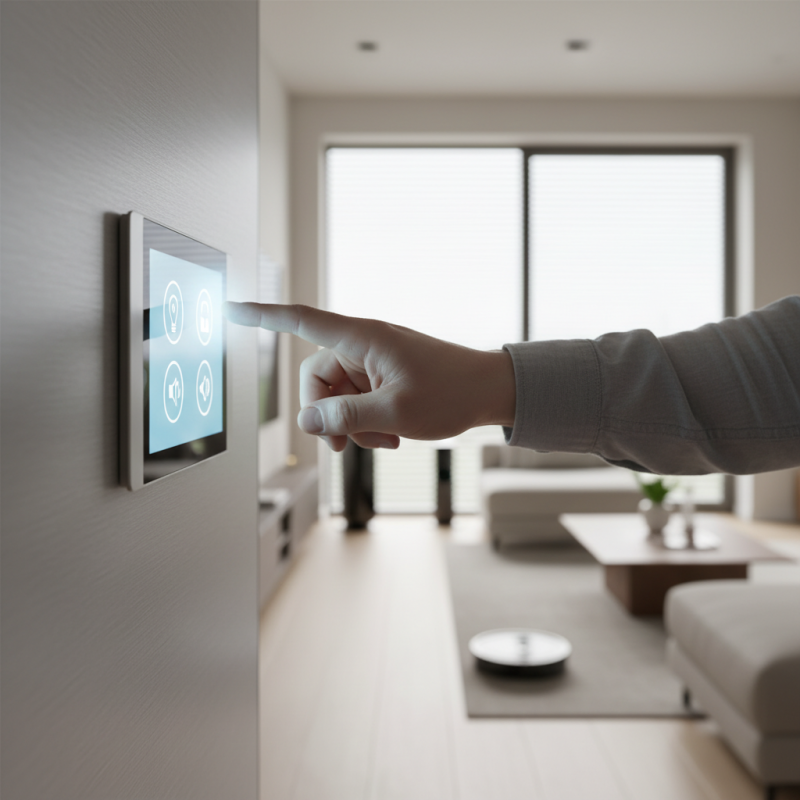
Understanding Smart Home Panels and Their Functionality
Smart home panels serve as the central hub for home automation. They integrate various devices and systems, allowing homeowners to manage everything from lighting to security seamlessly. According to a recent report by MarketsandMarkets, the smart home market is expected to reach $174 billion by 2025. This growth emphasizes the evolving importance of smart home panels.
When selecting a smart home panel, consider its compatibility with existing devices. Many homes have a mix of brands, and not all panels will seamlessly connect. Some homeowners face challenges with integration. Understanding which protocols (like Z-Wave or Zigbee) work with your devices is crucial. A poorly chosen panel could lead to compatibility issues and user frustration.
Tip: Always check for firmware updates. Regular updates can enhance functionality and security.
Another important aspect is user interface. A panel should be intuitive and user-friendly. Complex menus and confusing layouts can deter usage. Research has shown that user experience plays a vital role in smart home device adoption. Customers report higher satisfaction when the device is easy to navigate.
Tip: Explore customer reviews to gauge the usability of different panels.
In the end, a smart home panel is not just about technology. It's about improving your daily life, enhancing comfort, and providing peace of mind. Consider these factors carefully to make an informed decision.
Key Benefits of Integrating a Smart Home Panel in Your Home
Integrating a smart home panel can significantly enhance your home automation experience. According to a report by Markets and Markets, the global smart home market is projected to reach $174 billion by 2025. This growth underscores the increasing adoption of technology in our daily lives. A smart home panel serves as a hub, offering centralized control over various devices. This makes life easier and promotes energy efficiency.
One key benefit is the convenience it provides. You can manage lighting, climate, and security systems from a single interface. Reports from the Smart Home Market Insights suggest that 70% of homeowners appreciate the ease of control a panel brings. This control extends to scheduling tasks and automating routines, which can save time and effort. However, some users report a learning curve initially, highlighting the need for user-friendly designs.
Another advantage of smart home panels is enhanced security features. Some panels can integrate with home security systems, allowing real-time alerts. According to the FBI, homes without security systems are 300% more likely to be broken into. Smart panels make it easier to monitor your property remotely. Still, concerns linger about cybersecurity threats. Hence, manufacturers must prioritize robust security measures to protect user privacy.
Benefits of Integrating a Smart Home Panel
Comparing Smart Home Panels: Features and Specifications
When it comes to smart home panels, choosing the right features is crucial. Look for usability first. A clear interface makes navigation easy, even for tech novices. Many panels offer touchscreens that respond quickly and intuitively. This can enhance user experience, making automation seamless.
Consider connectivity options as well. Some panels support numerous devices, while others do not. Compatibility with various smart home products can simplify your life significantly. Ensure that the panel you choose can connect to your existing systems. This could save you time and effort during setup.
Another important specification is security features. A reliable smart home panel should include robust encryption. This protects your data and home network. While it’s easy to overlook, security should never be an afterthought. Reflecting on these elements can guide you to a panel that truly meets your needs. The right choice can make your home feel smarter and safer.
Installation and Setup: Making the Most of Your Smart Home Panel
Setting up a smart home panel can be an exciting yet challenging task. Start by choosing the right location for your panel. It should be accessible, yet not in the way. Think about placing it near your main living areas. This helps with user interaction and control over your smart devices.
Once installed, focus on the setup process itself. Follow the manufacturer's guidelines carefully. Connecting devices might seem straightforward, but it can often become confusing. Some devices may require additional steps or troubleshooting. Be prepared for minor setbacks. Taking notes during the process can help track your progress and issues encountered.
Utilizing your smart home panel can bring a new level of convenience. Explore its features regularly. You might discover functions you initially overlooked. Make sure you keep firmware updated to enhance security and performance. A smart panel will evolve as your needs do, so always reflect on its effectiveness in your daily life. Embrace the learning curve and enjoy the transformative experience of home automation.
Future Trends in Smart Home Technology and AutomationPanels
As homes evolve, smart home technology is set to play a significant role. Industry reports indicate that the smart home market is expected to exceed $135 billion by 2025, with home automation panels at the forefront. These panels serve as command centers for managing various devices. They centralize control for security systems, lighting, and climate. But is this convenience worth the cost?
Future trends highlight growing consumer interest in easier integration and enhanced functionality. According to a Statista report, over 50% of households are likely to adopt smart home solutions by next year. However, challenges remain. User interfaces can be complex, leading to frustration among consumers. Many panels still have limited compatibility with certain devices. As technology advances, manufacturers are addressing these issues, yet gaps in user experience persist.
Consider the rising importance of data security. As smart panels gather data about daily habits, privacy concerns increase. The smart home evolution must include robust security measures to protect user information. This need is echoed in numerous surveys indicating that over 70% of potential users worry about data breaches. Merging innovation with security is crucial as we look to the future of home automation.