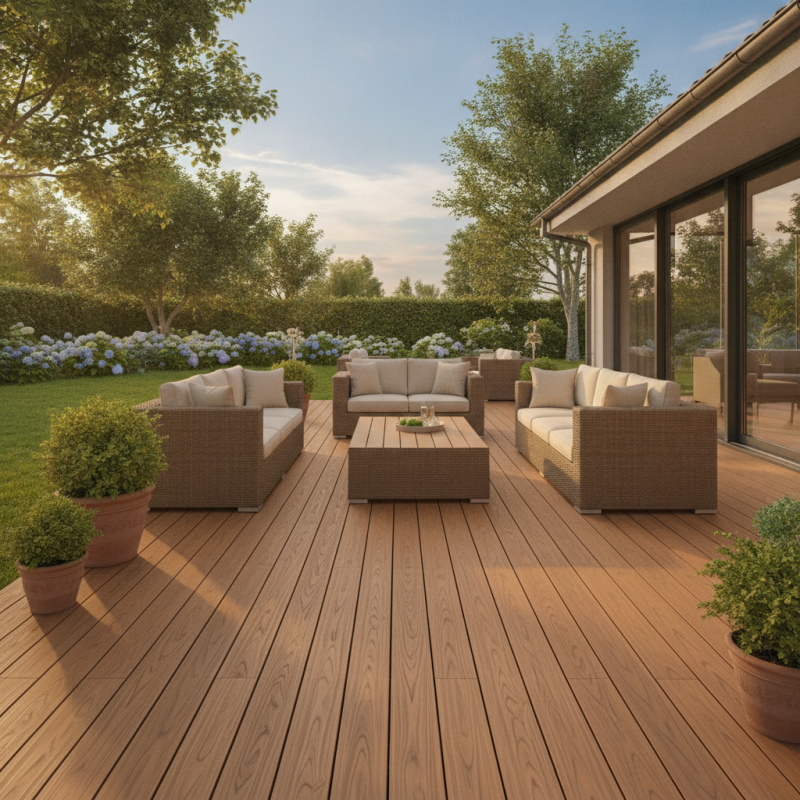
Top 10 Benefits of Outdoor WPC Decking for Your Home?
Outdoor Wpc Decking has become increasingly popular among homeowners. The unique blend of wood and plastic offers durability and aesthetics. Many opt for this material for its low maintenance and eco-friendly properties.
Choosing outdoor WPC decking can significantly enhance your outdoor space. It combines style with functionality, making it an appealing choice for patios and gardens. The texture resembles traditional wood, yet it resists rot, fading, and insect damage. Homeowners often report satisfaction with its performance over time.
Despite its benefits, some may question the initial investment cost. However, its longevity and reduced upkeep can lead to savings in the long run. With various designs available, you can find a style that complements your home. In exploring the advantages of outdoor WPC decking, it becomes clear why it’s worth considering for your home improvement projects.
Advantages of WPC Decking in Enhancing Outdoor Spaces
WPC decking offers numerous advantages for enhancing outdoor spaces. One significant benefit is its durability. Made from wood-plastic composites, WPC decking resists moisture and insects. This means less maintenance compared to traditional wood. Homeowners can enjoy their decks for years without constant repairs.
Aesthetically, WPC decking comes in various colors and textures. This flexibility allows homeowners to choose designs that match their outdoor themes. Imagine a warm, inviting deck that complements lush greenery or a sleek, modern patio near a pool. These options elevate the overall appeal of any outdoor space.
Another aspect to consider is sustainability. WPC decking often uses recycled materials, reducing environmental impact. However, some may question the longevity compared to pure wood. It’s essential to weigh the pros and cons. While WPC minimizes maintenance, some feel it lacks the natural charm of real wood. Evaluating your priorities will guide the right choice for your home.
Top 10 Benefits of Outdoor WPC Decking for Your Home
Durability and Low Maintenance of WPC Decking Materials
When considering outdoor decking, durability and low maintenance are key factors. WPC (Wood-Plastic Composite) decking is gaining popularity for these very reasons. According to a recent report by the Consumer Product Safety Commission, WPC materials can last up to 25 years with minimal upkeep. This longevity provides homeowners with peace of mind, especially in harsh weather conditions.
Another advantage of WPC decking is its resistance to pests and mold. Unlike traditional wood, which can be susceptible to rot or insect damage, WPC is engineered to withstand such issues. This means fewer repairs and replacements over time, leading to significant cost savings. The National Association of Home Builders states that homeowners can save about 25% on maintenance costs with WPC decking.
Tip: Regular cleaning is essential. A simple wash with soap and water keeps your deck looking fresh. Also, ensure proper drainage to avoid standing water, which can affect any decking material's longevity.
Many people overlook routine checks for cracks or wear. Stay proactive to maintain your deck's quality.
Environmental Benefits of Using WPC for Deck Construction
Outdoor WPC decking offers significant environmental benefits for homeowners. WPC, or wood-plastic composite, is made from recycled materials. This reduces waste in landfills and minimizes deforestation. Choosing WPC leads to less environmental impact compared to traditional wood decking. It helps preserve natural resources while providing a durable alternative.
One major aspect is the energy savings during production. The manufacturing of WPC requires less energy compared to new hardwoods. This lowers greenhouse gas emissions. Additionally, WPC decking does not need toxic chemicals for preservation, reducing soil and water pollution. It's a safer choice for your garden and local wildlife, promoting a healthier ecosystem.
However, the initial cost can be a barrier for some. It's often more expensive than traditional wood. Homeowners may question if the investment is worth it. Over time, the durability of WPC can offset this cost. Its longevity and low maintenance needs make it an appealing option, both environmentally and financially. The choice of decking can evolve, reflecting values toward sustainability.
Top 10 Benefits of Outdoor WPC Decking for Your Home
| Benefit | Description | Environmental Impact |
| Durability | WPC decking is resistant to weather elements, ensuring long-lasting use. | Reduces the need for frequent replacements, minimizing waste. |
| Low Maintenance | Requires less maintenance compared to traditional wood. | Less use of harsh chemicals for cleaning and treatment. |
| Eco-Friendly Materials | Made from recycled materials such as wood fibers and plastics. | Promotes recycling and reduces carbon footprint. |
| Resistance to Insects | Not prone to damage from termites or other insects. | Lowers the need for pesticide use. |
| Aesthetic Appeal | Available in various colors and designs mimicking natural wood. | Enhances outdoor spaces without harming forests. |
| Slip Resistance | Provides a safe surface that reduces slipping accidents. | Promotes safer outdoor environments. |
| Thermal Performance | Stays cooler underfoot compared to traditional wood. | Helps in reducing heat island effect in urban areas. |
| Sustainability | Manufactured using processes that conserve energy. | Supports sustainable building practices. |
| Versatility | Suitable for various applications including decks, patios, and walkways. | Adaptable use reduces material wastage. |
| Cost-Effective | Lower long-term costs due to durability and low maintenance. | Encourages economic sustainability through reduced lifecycle costs. |
Aesthetic Appeal: Customization Options for WPC Decking
Outdoor WPC decking offers a unique blend of aesthetic appeal and functionality. Homeowners can customize their decks in various ways. This includes different colors, textures, and finishes. Options range from classic wood-like appearances to bold contemporary designs. According to the Plastic Industry Association, the use of WPC has grown by 20% annually, showcasing its rising popularity.
Customization allows for the expression of personal style. People can choose materials that complement their home’s architecture. Some opt for intricate patterns while others prefer minimalist designs. Research indicates that about 70% of homeowners believe that well-designed outdoor spaces improve their overall living experience. However, finding the perfect match takes careful consideration, as trends can rapidly shift.
While WPC decking is durable, it is essential to evaluate the environmental impact. Not all products are created equal, and not all manufacturers utilize sustainable practices. Buying from responsible sources is crucial. It’s okay to question the long-term effects of materials used in home improvement. Balancing aesthetics with responsibility is a challenge many face today.
Cost-Effectiveness: Long-term Value of WPC Decking Solutions
When considering home improvements, cost-effectiveness is crucial. WPC decking, made from wood plastic composite, offers long-term value. Unlike traditional wood, WPC resists moisture and pests. This durability means fewer repairs and replacements, saving homeowners money over time.
To maximize the benefits of WPC decking, choose quality materials. Research different manufacturers and their claims. Real user reviews can help gauge reliability. Look for certified products that guarantee longevity.
Regular maintenance will extend the life of your decking. Clean it routinely with gentle soap and water. Avoid harsh chemicals that could degrade the surface. Consider seasonal inspections to identify any wear. Investing time in care can enhance durability and appearance, leading to long-term savings.