

Choosing among the top types of aluminium front doors involves more than comparing attractive photographs. Each design affects security, insulation, daylight, maintenance, and everyday movement through the entrance. A well-selected door should suit the building’s structure, local weather, and the household’s routines.
Single aluminium front doors remain the most practical choice for compact entrances. They usually offer efficient sealing, simpler hardware, and lower installation complexity. Double doors create a wider opening and a stronger visual statement, especially on period-style or spacious homes. However, their central meeting point needs careful adjustment to prevent draughts. Pivot doors provide a dramatic appearance, with large panels that can resemble a moving wall. They require accurate floor preparation and dependable pivot hardware. Sliding aluminium front doors suit modern properties where clear glass and open views matter. Their tracks must stay clean, or operation may become rough.
Thermally broken frames can reduce heat transfer through the aluminium profile. Quality hinges, multi-point locks, laminated glass, and continuous weather seals also deserve close attention. These details are less visible than the door colour, yet they influence long-term comfort and reliability. I have found that homeowners sometimes choose oversized glazing before considering privacy or afternoon glare. That decision can feel disappointing later. No single door type wins every home. The best option balances appearance with frame strength, threshold design, ventilation needs, and professional installation. This guide explores the leading styles, their practical advantages, and the compromises worth considering before ordering.
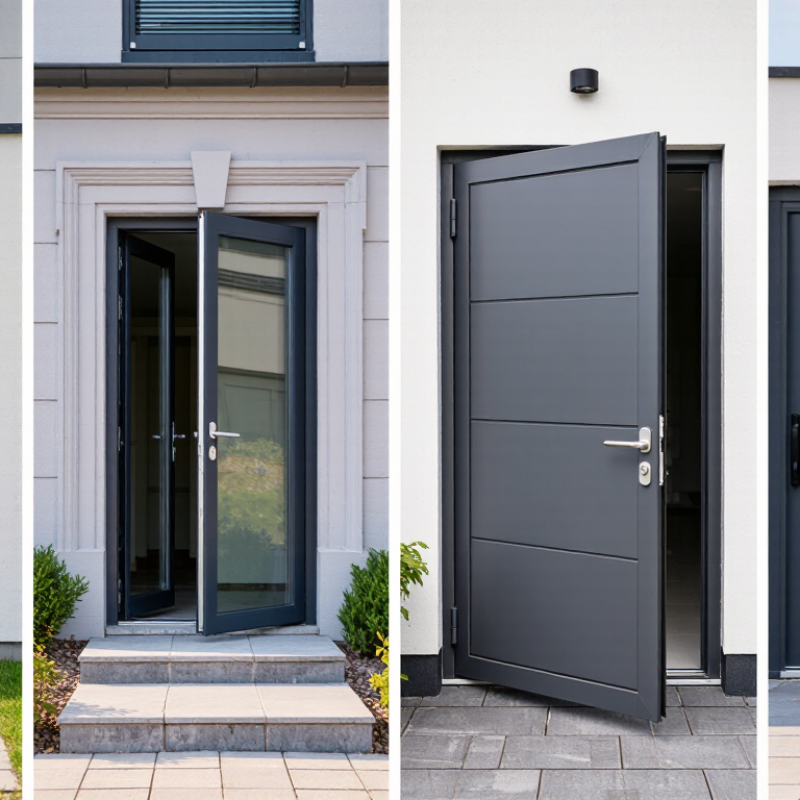
Aluminium front doors vary by opening method and panel design. The classic single hinged door suits most entrances and opens inward or outward. It needs clear floor space, but its hinges are simple to inspect and replace. Double hinged doors create a wider entrance for furniture or busy family homes. However, the central meeting point must seal accurately against drafts.
Pivot doors rotate from a central or offset point. Their broad panels can create a strong architectural appearance, although installation requires careful weight distribution and floor preparation.
Sliding aluminium doors save space and work well beside covered porches. They may feel less traditional, and their tracks need regular cleaning. In my experience, small stones in the track can affect smooth movement surprisingly quickly.
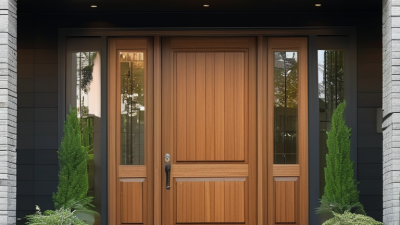
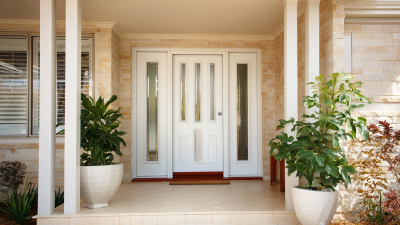
Panel design changes both appearance and daily comfort. A solid panel offers privacy and stronger visual weight. Full-height glazing brings daylight into a dark hallway, but privacy glass may be necessary. Narrow glazed panels balance light with discretion. Slatted or perforated panels provide texture and airflow, though they can collect dust. Flush panels look clean and modern. Decorative sections add character, yet overly complex patterns may date faster than expected.
Thermal breaks, reinforced locks, drainage, and accurate fitting matter more than a fashionable finish. No option is perfect. Evaluate the entrance direction, local weather, security needs, and available opening space before choosing.
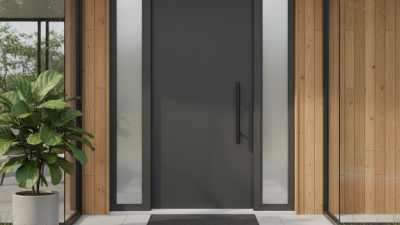
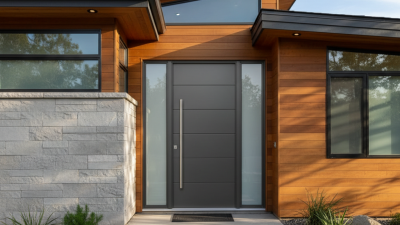
Contemporary aluminium front doors pair slim frames with broad glass panes and quiet, minimalist panels. The design feels light, but performance must lead the appearance. The International Aluminium Institute reports that recycling aluminium requires about 5% of the energy used for primary production. It also states that roughly 75% of aluminium ever produced remains in use. These figures support aluminium’s long service potential, provided the door is designed and maintained responsibly.
For homes, specify a thermally broken frame, insulated minimalist panels, and low-emissivity double or triple glazing. The U.S. Department of Energy identifies low-e glazing as an effective method for controlling heat transfer through windows and glazed doors. Ask for independently tested U-values, air leakage, water resistance, and wind resistance. Standards such as EN 14351-1 help define external pedestrian door performance. Details matter. Check the threshold, corner joints, gaskets, and drainage channels. A beautiful glass door can still feel cold beside a poorly insulated sill. That is the uncomfortable part. Oversized glazing may also increase solar gain, glare, and privacy concerns. Select laminated safety glass where appropriate, and consider frosted or textured sections near eye level. In real installations, alignment can shift after building movement, so adjustable hinges and regular seal checks are practical advantages. Minimalism is not automatically efficient. It needs disciplined detailing.
Traditional Aluminium Front Doors with Decorative Details
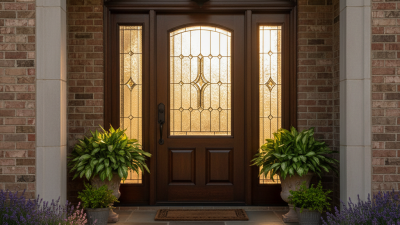
Traditional aluminium front doors pair slim, sturdy frames with familiar design touches. Think raised-look panels, modest glazing bars, or a small fanlight above the door. These details can echo the character of a period home without requiring a timber door. A muted green or deep navy finish may sit comfortably beside brickwork, while a brushed-metal handle adds a quieter accent. The result can feel classic, not copied.
Decorative details should suit the house, not compete with it. A door with several glass panels may brighten a shaded hallway, but check how much privacy the glazing provides. Textured or obscured glass can soften views while still admitting daylight. Panel proportions matter, too: narrow sections can look busy on a small entrance. Aluminium finishes are generally easy to wipe clean, though hinges, seals, and drainage paths still need occasional inspection. Even a handsome door can feel wrong if its hardware is awkward to use.
Tips: Bring a photo of your entrance when comparing designs. Check the sample colour outdoors, since indoor lighting can be misleading. Ask how the glazing, frame, and threshold are configured for your opening. Small details count. And if a traditional pattern feels slightly too formal, simplify one feature; restraint often works better.
A thermally broken aluminium front door uses an insulating barrier between its exterior and interior metal sections. This barrier, often made from a low-conductivity material, slows heat transfer through the frame. On a cold morning, the inside surface can feel less chilly than that of an unbroken aluminium frame. That can help reduce heat loss and improve comfort near the entrance.
Details matter.
The frame is only part of the door’s performance. Glazing, weather seals, thresholds, installation, and the quality of the surrounding wall all affect drafts and heat flow. Look for product data showing whole-door thermal performance, rather than judging by frame material alone. A well-fitted door should close evenly, with seals contacting the frame around the perimeter. Even a small installation gap can undermine the benefit.
Thermal breaks do not make a door immune to condensation or heat loss. Indoor humidity, cold weather, and poor ventilation still play a role. It is also worth balancing insulation with practical needs, such as secure hardware, daylight, and ease of maintenance. Some highly glazed designs may require more careful specification.
Not always an obvious trade-off.
A suitable thermally broken door is one that matches the home’s climate, entrance details, and daily use.
Choose a door by how your entrance works, not by appearance alone. A hinged door suits most homes and gives a familiar, straightforward entry. For a wide opening, double doors create a generous passage, but need clear space on both sides. A pivot door makes a strong visual feature; check that its swing will not obstruct a hallway or step. Sliding designs save swing space, though their tracks need regular cleaning.
Next, match the frame and glazing to your site. Measure the opening, note its direction, and check exposure to wind-driven rain. A sheltered porch may allow more glass; a weather-facing entrance needs careful attention to seals, threshold drainage, and installation. Look for tested thermal and air-leakage ratings, not just a thick-looking frame.
The U.S. Energy Information Administration’s 2020 Residential Energy Consumption Survey reports that space heating accounts for about 42% of household energy use. That figure is not door-specific, but it shows why limiting drafts matters. Small gaps count.
Ask for the full door-system specification, including glazing, seals, hardware, and frame. Compare documented ratings for the complete assembly where available. A beautiful door can still be a poor fit. And check the handle height and clear opening in person; drawings can make both seem more generous than they are.
Get the latest news straight from us on all our new products, features, services, and much more!