China Top Waterproof Raincoat Manufacturers?
China has become a major sourcing hub for waterproof outerwear, serving retailers, distributors, and outdoor brands worldwide. However, identifying the top Waterproof Raincoat manufacturers requires more than comparing factory websites or attractive product photos. Reliable evaluation depends on production experience, material knowledge, quality control, and transparent communication.
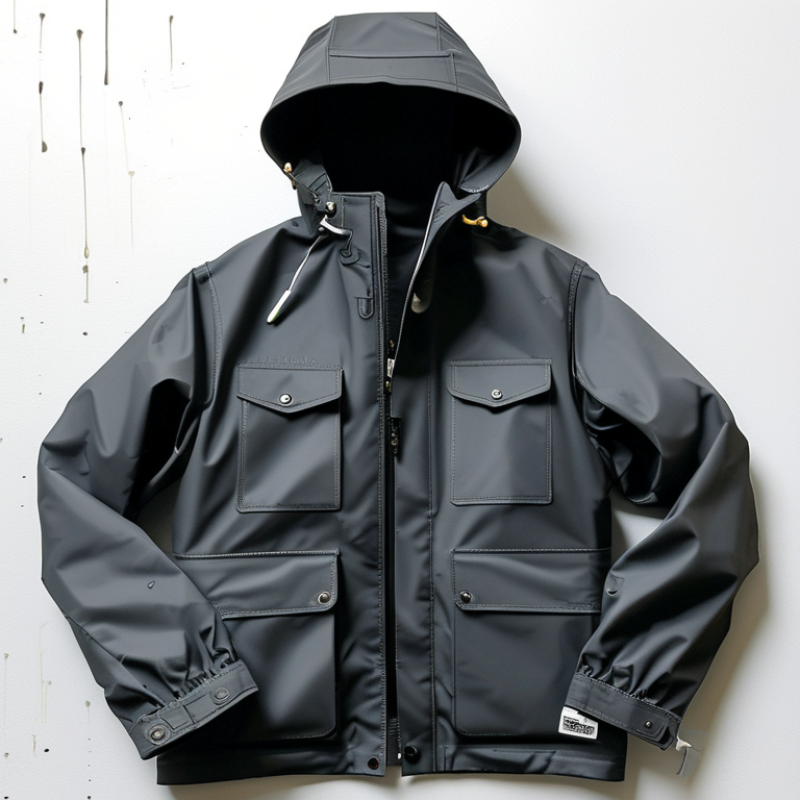
This guide examines manufacturers through practical details. These include fabric performance, seam sealing, hood construction, zipper protection, and testing procedures. A dependable factory should explain whether its raincoats use PU coating, TPU lamination, or another waterproof finish. It should also provide clear information about breathability, waterproof ratings, sample development, and minimum order quantities. Small details matter. A covered zipper can prevent water from reaching a child’s shirt. Properly sealed seams can keep a cyclist comfortable during a sudden afternoon storm.
Factory visits, verified samples, and independent inspection reports can provide stronger evidence than marketing language. Buyers should assess stitching consistency, coating adhesion, odor, packaging, and size accuracy. Compliance documents also deserve careful review, especially when products are sold across different markets. No supplier is perfect. Even experienced manufacturers may face delays, color variation, or communication gaps during large orders.
The manufacturers discussed in this outline are best viewed as candidates for careful comparison, not automatic recommendations. Their strengths may differ in outdoor performance, promotional apparel, recycled fabrics, or high-volume production. By combining supplier research with hands-on sample testing, buyers can make more reliable decisions and reduce avoidable sourcing risks.
China’s Waterproof Raincoat Manufacturing Landscape and Export Scale
China’s waterproof raincoat manufacturing landscape is concentrated in coastal production clusters. Guangdong, Zhejiang, Jiangsu, and Fujian support large networks of garment factories, fabric mills, and packaging suppliers. These areas offer fast material sourcing and efficient port access.
Manufacturers commonly produce PVC, PU-coated polyester, nylon, and recycled-fiber raincoats. Production lines may include seam sealing, waterproof testing, printing, cutting, and ultrasonic welding. A practical supplier audit should review laboratory reports, factory capacity, stitching quality, and batch consistency. Samples can look excellent. Bulk orders may reveal uneven coating or weak snap buttons.
Export scale remains significant across workwear, outdoor clothing, promotional apparel, and children’s rainwear. Shipments move through major ports such as Shenzhen, Ningbo, Shanghai, and Xiamen. Exporters usually serve buyers in Europe, North America, Southeast Asia, and the Middle East. Order volumes range from small trial batches to container-scale programs, depending on customization and seasonality.
However, factory size does not always prove reliability. Some suppliers outsource critical processes without clear disclosure. That can affect delivery dates and waterproof performance. Buyers should confirm production schedules, inspection standards, material composition, and corrective-action procedures in writing. Raincoat manufacturing is mature, but quality control still requires close attention.
China's Waterproof Raincoat Manufacturing Landscape and Export Scale
China's raincoat industry is part of the country's broader textile and apparel manufacturing base. The chart shows China's total textile and apparel export value from 2019 to 2023, providing a reliable industry-scale proxy because public customs statistics do not consistently isolate waterproof raincoats as a standalone product category.
Source: China Customs and industry trade statistics; values are rounded and presented in US$ billions. The 2020 increase was influenced by exceptional global demand for textile and protective products.
Top Chinese Raincoat Manufacturers by Capacity, Materials, and OEM Expertise
China’s raincoat manufacturing strength lies in scalable production, material flexibility, and mature OEM systems. The WTO World Trade Statistical Review 2024 reported that China supplied about one-third of global clothing exports. This creates a deep supplier network for coated fabrics, zippers, buttons, and packaging.
Capacity should mean verified output, not a large factory photograph. Ask for monthly production records, sewing-line numbers, and peak-season delivery data. Larger facilities may produce tens of thousands of raincoats monthly, while specialist workshops often handle complex designs better.
Materials also matter. Textile Exchange’s Materials Market Report 2024 stated that polyester represented about 57% of global fiber production in 2023. For rainwear, buyers should compare PU, PVC, and recycled polyester coatings, checking hydrostatic pressure, seam strength, and wash durability.
OEM expertise shows in the samples. A capable manufacturer can adjust hood volume, sleeve structure, reflective details, and taped seams without losing fit. It should provide pre-production samples, inspection reports, and traceable fabric information. My practical concern is simple: some capacity figures remain optimistic until a factory proves them during a busy season.
Tips:
Request a live factory audit. Test three sample sizes. Confirm waterproof ratings independently. Also check whether recycled-content claims have recognized certification. Small details expose weak control.
Waterproof Ratings Explained: ISO 811, EN 343, and 10,000 mm+ Hydrostatic Pressure
China Top Waterproof Raincoat Manufacturers?
When comparing waterproof raincoat manufacturers in China, ask for test evidence, not only a printed rating. ISO 811 measures hydrostatic pressure by exposing fabric to rising water pressure. A 10,000 mm result means the material resisted a 10-meter water column under laboratory conditions. It does not guarantee dry comfort during every storm.
EN 343 EN 343 evaluates protective clothing for rain. Its classification considers water penetration and breathability, often shown through separate performance levels. Higher breathability can reduce the damp feeling caused by body heat.
However, test results depend on fabric construction, garment design, and production control. A raincoat with 10,000 mm fabric may still leak through weak seams, damaged coatings, or poorly sealed zippers.
Look closely at seam tape.
During supplier evaluation, request dated laboratory reports, fabric specifications, and sample inspection records. Check the hood adjustment, cuff closure, pocket flaps, and stitching around the shoulders. These details face real water exposure.
A useful factory sample should survive repeated folding and washing, not just pass one new-material test. This is where ratings become practical.
One caution remains.
Laboratory pressure is controlled; weather is not. Wind can force rain through openings, while abrasion can reduce coating performance over time. Some suppliers explain this clearly, while others present one impressive number. That difference matters. Reliable manufacturers connect ISO 811 or EN 343 results with consistent batch testing, traceable materials, and honest limitations.
Factory Evaluation Criteria: Certifications, QC Testing, MOQ, and Lead Times
Choosing among China’s top waterproof raincoat manufacturers requires more than comparing factory photos or low quotations. Certifications should match your target market and product claims. Request current copies, issuing-body details, and scope information. ISO 9001 can indicate documented quality systems, but it does not guarantee waterproof performance. Material safety documents should also be checked when coatings, prints, or children’s garments are involved.
A reliable factory should explain its testing process clearly. Ask for hydrostatic pressure results, seam leakage tests, fabric colorfastness, zipper strength, and abrasion checks. During a factory visit, inspect sealed seams under light and review actual inspection records.
Pre-production samples matter. Pre-shipment inspection matters more. I have seen attractive samples fail after repeated folding, especially around hood seams. That weakness is easy to miss.
MOQ and lead time must be written into the quotation. Typical MOQs may range from 300 to 2,000 pieces, depending on fabric, colors, and customization. Ask whether mixed sizes or colors are allowed. Confirm fabric booking time, sample approval deadlines, production days, and shipping preparation. A realistic lead time may be 25 to 60 days after approval, but seasonal demand can extend it. Build a buffer. Forecasts are often wrong. A factory that admits capacity limits may be more dependable than one promising everything immediately. Payment stages, defect handling, and replacement procedures should also be documented before production begins.