How to Use Flexible Stone for Your Next Project?
Flexible Stone has emerged as a revolutionary material in the construction and design industries. According to a 2023 industry report by Global Stone Insights, the demand for Flexible Stone has grown by over 30% in the last year, demonstrating its rising popularity among architects and interior designers. Leading industry expert Dr. Jane Matthews emphasizes, "Flexible Stone offers unmatched versatility, enabling innovative applications that traditional materials cannot achieve."
This innovative material is not just about aesthetics. Its lightweight nature allows for easy installation, reducing labor costs significantly. Projects that incorporate Flexible Stone often experience shorter completion times. Moreover, it can be used in various settings, from residential homes to commercial spaces. Yet, while Flexible Stone offers many advantages, challenges remain. Proper surface preparation and alignment are crucial for effective installation.
As more professionals turn to Flexible Stone, understanding its unique properties is vital. Some contractors report issues with adhesion and durability if not applied correctly. The balance between creativity and reliability is key when using this versatile material. A thoughtful approach will ensure your next project shines with the beauty and functionality that Flexible Stone promises.
Understanding Flexible Stone: Definition and Properties
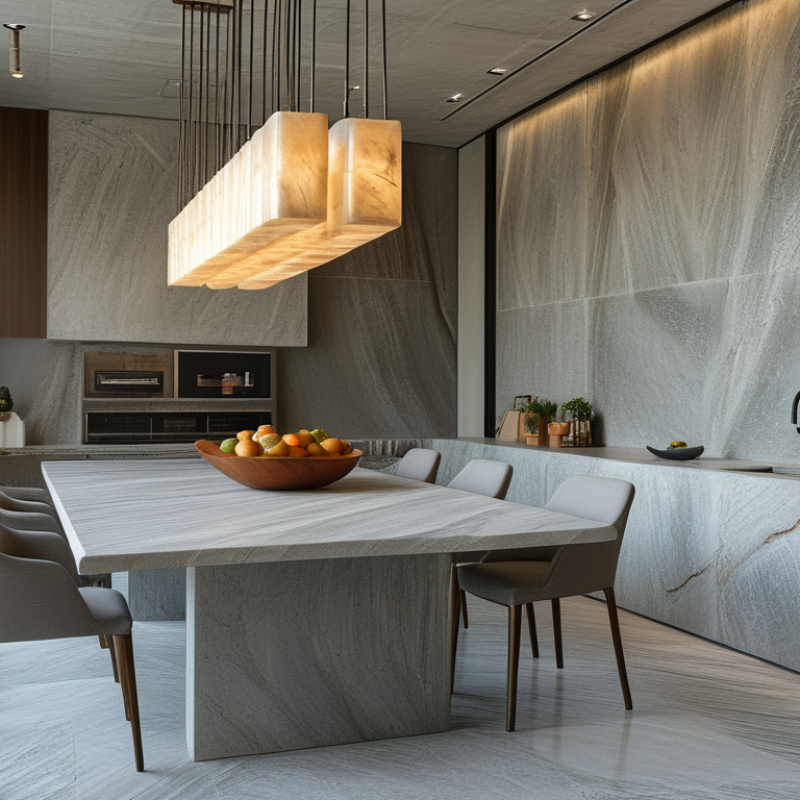
Flexible stone is a fascinating material that blends beauty with practicality. It consists of natural stone that undergoes a process to create thin, pliable sheets. These sheets can be applied to various surfaces without the weight and fragility of traditional stone.
One notable property of flexible stone is its versatility. It adheres well to walls, ceilings, and even furniture. This characteristic makes it an excellent choice for both interior and exterior designs. Its lightweight nature allows for creative applications that conventional stone cannot achieve. Imagine wrapping a column with flexible stone or using it to create stunning wall features.
However, using flexible stone poses some challenges. Proper installation techniques are essential for optimal results. Imperfections can lead to peeling or cracking over time. Practicing patience and ensuring precise measurements is crucial. Mistakes in cutting or aligning can ruin the overall aesthetic. While flexible stone opens doors to innovative designs, it requires a level of expertise and attention to detail to realize its full potential.
Key Benefits of Using Flexible Stone in Construction Projects
Flexible stone is a revolutionary material that transforms the construction landscape. Its adaptability makes it suitable for various projects. Unlike traditional stone, flexible stone is incredibly lightweight and easy to work with. This feature allows for a quicker installation process and reduces labor costs.
Using flexible stone offers numerous benefits. Its unique composition provides durability and resistance to moisture and weather conditions. This makes it ideal for outdoor applications. Furthermore, flexible stone can mimic the look of natural stone without the hefty price tag. It’s available in various colors and textures, giving designers creative freedom.
Here are some tips for using flexible stone:
- Always prepare the surface properly. A clean, dry surface ensures better adhesion.
- Experiment with different colors and textures. Mixing these can create a unique aesthetic.
- Consider the use of a sealant for added protection against wear.
Flexible stone is an excellent choice for those looking to enhance their projects aesthetically and functionally. However, not all installations will be perfect. Each project may face challenges regarding adhesion or surface compatibility. It’s essential to test materials before full application.
Application Techniques for Installing Flexible Stone Effectively
When installing flexible stone, preparation is crucial. Begin by ensuring a clean, dry surface. Any dust or moisture can impact adhesion. Use a high-quality adhesive recommended for stone applications. Apply it evenly across the substrate. Working in sections helps to avoid premature drying, which can lead to uneven installations.
Cutting the flexible stone requires precision. Use a sharp utility knife for clean edges. For complex shapes, a wet saw may be necessary. Always wear protective gear when cutting. During placement, press the stone firmly to eliminate air pockets. This step enhances the bond and prevents future issues. It’s essential to step back and assess your alignment frequently. This helps to correct misplacements early on.
After installation, consider the curing time. Allow the adhesive to set as directed. Rushing this step can lead to stones shifting. Regular checks can help identify problems before they grow. If you notice gaps or unevenness, don’t hesitate to adjust the stones. Learning from each project enhances your skills, leading to better results next time.
Flexible Stone Installation Techniques
Maintenance Tips for Longevity of Flexible Stone Installations
Maintaining flexible stone installations is crucial for their longevity and aesthetic appeal. Research from industry experts indicates that proper care can extend the life of such materials significantly. Regular cleaning is essential. A soft brush or cloth, combined with mild soap, often suffices. Avoid harsh chemicals, as they can degrade the stone's surface.
Environmental factors can affect flexible stone. UV rays may cause fading over time. Regular resealing is advised every two to three years. Water damage is also a concern. Ensure that drainage systems are in place to prevent water pooling. This practice minimizes the risk of cracks or mold growth.
Frequent inspections are key. Look for signs of wear or damage. Addressing small issues early can prevent costly repairs later. Understanding the material's limitations can help in maintaining its integrity and appearance. Flexible stone can be resilient, but it requires attention and care for optimal performance.
Cost Analysis: Comparing Flexible Stone with Traditional Materials
Flexible stone is revolutionizing construction and design. Its cost-effectiveness is a vital consideration when comparing it to traditional materials. According to a recent industry report by Global Market Insights, the global flexible stone market is expected to grow at a CAGR of over 12% from 2023 to 2030. This shows a strong demand for flexible stone over traditional options like granite and marble, which can be expensive and difficult to install.
When we look at pricing, flexible stone generally costs around $15 to $30 per square foot including installation. In contrast, natural stone options can range from $50 to $200 per square foot. While the initial investment in flexible stone may seem significant, its lightweight nature reduces transportation costs. Additionally, the quick installation process means lower labor expenses. Some projects show a 40% reduction in costs when flexible stone is used instead of traditional materials.
However, it is essential to reflect on durability and value. While flexible stone is versatile, its long-term performance in extreme conditions is still under evaluation. Some users report issues with wear and tear in high-traffic areas. Balancing initial savings with potential maintenance costs is crucial. Understanding these variables allows for a more informed decision when moving forward with your projects.