What Are the Top Types of Embossed Fabric?
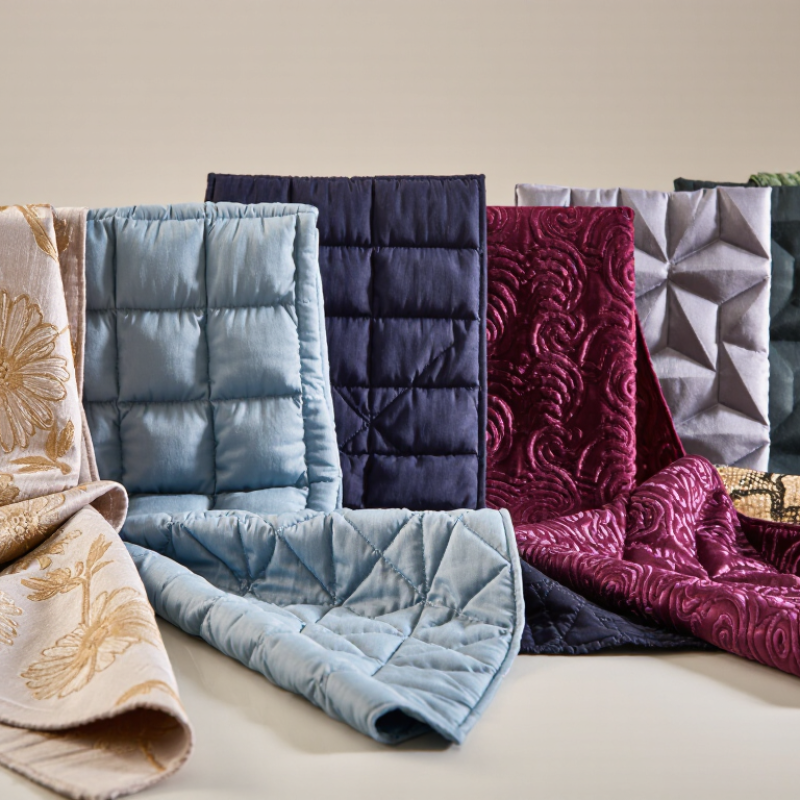
Choosing the right Embossed Fabric begins with understanding how texture, material, and production methods work together. Embossing presses a raised design into a fabric surface, creating patterns that can feel soft, sharp, glossy, or deeply sculpted. Common types include floral embossed fabric, geometric embossed fabric, quilted designs, animal-inspired textures, and embossed velvet. Each type creates a different visual rhythm under natural or showroom lighting.
Floral patterns often suit curtains, cushions, and elegant apparel. Geometric embossing brings structure to upholstery, handbags, and modern interiors. Embossed velvet offers a rich touch, while quilted textures provide additional warmth and visual depth. Some fabrics use heat and pressure, while others combine rollers, molds, coatings, or laminated layers. The final result depends on fiber content, fabric weight, finishing temperature, and production control.
Texture matters.
From practical sourcing experience, a beautiful sample does not always perform well after washing or repeated friction. Buyers should check composition, GSM, colorfastness, pattern recovery, and abrasion resistance before placing large orders. A raised surface may flatten in high-use areas, especially on seating or frequently handled accessories. This detail is easy to overlook. Reliable manufacturers should provide clear specifications, test results, care instructions, and consistent sample approvals. Still, testing every possible condition is unrealistic, and even professional recommendations have limits. Exploring the top types of Embossed Fabric therefore requires balancing appearance, touch, durability, cost, and intended use rather than following fashion alone.
What Is Embossed Fabric and How Is Its Texture Created?
What Are the Top Types of Embossed Fabric?
What Is Embossed Fabric and How Is Its Texture Created?
Embossed fabric has a raised or pressed pattern on its surface. Manufacturers create this texture with heated rollers, engraved plates, pressure, or chemical treatments. Heat softens thermoplastic fibers, while pressure fixes shapes such as leaves, waves, ribs, or geometric lines. Natural fibers may require moisture, resin, or blended construction. The result feels tactile, not merely printed.
Common types include embossed velvet, faux leather, polyester satin, microfiber, and quilted upholstery fabric. Velvet creates deep shadows around the pattern. Faux leather often receives crocodile, pebble, or grain effects. Polyester holds sharp details well, although excessive heat can flatten its surface. In factory quality checks, pattern depth, edge clarity, color consistency, and recovery after washing matter greatly. I would not call every raised surface embossing. Flocking and tufting use different processes.
Textile Exchange reported that global fiber production reached 124 million tonnes in 2023 and could approach 160 million tonnes by 2030. This growth increases pressure to choose durable, lower-waste substrates. Embossing can add value without adding a separate printed layer, but it may reduce softness or flex durability. The trade-off is easy to overlook.
Tips: Test a small swatch first. Check the pattern after washing, rubbing, and stretching. AATCC laundering methods can support repeatable testing. Ask for fiber content, finish chemistry, heat settings, and abrasion results. The most attractive texture may not be the most practical one.
What Are the Main Types of Embossed Fabric?
Embossed fabric is created by pressing, heating, or bonding a raised design onto a textile surface. The main types differ by base material and finishing method. Embossed velvet has a soft pile and elegant light variation. Its patterns may appear darker from one angle and brighter from another. Embossed polyester is more affordable and resists wrinkles, making it practical for curtains, cushions, and apparel. However, excessive heat can flatten its raised texture.
Embossed jacquard combines woven patterns with surface relief. It feels structured and often performs well in upholstery. Flocked embossed fabric adds short fibers to selected areas, creating a suede-like contrast. Faux leather embossing is another common type. It uses pressure to form grain, geometric lines, or decorative motifs. I have found that deeper patterns look attractive but may crack sooner when the material bends repeatedly. This is easy to overlook.
Tips: Rub the surface gently before purchasing. Check whether the pattern remains clear after stretching. Ask for a care label and a small sample. For clothing, test breathability and seam flexibility. For furniture, inspect the backing and abrasion resistance. Choose carefully.
Embossed fabric can also be classified by its process. Heat embossing uses warmth and pressure, while chemical embossing changes the surface through controlled treatment. Laser embossing creates precise details, but it may leave a slightly firmer hand feel. Not every raised design stays beautiful after washing. A fabric professional should review fiber content, pattern depth, colorfastness, and intended use before production. Surface beauty matters, but daily performance matters more.
What Are the Top Types of Embossed Fabric?
Typical relief height by embossed fabric pattern type
Floral, geometric, animal, damask, and quilted or padded designs are widely used embossed fabric styles. The chart shows representative relief-height midpoints from commonly used textile embossing ranges. Quilted and padded fabrics generally create the deepest three-dimensional effect, while damask and fine floral patterns usually produce a more subtle surface texture.
What Are the Common Uses of Each Embossed Fabric Type?
Embossed fabric uses a raised pattern to add depth, grip, or visual texture. Each surface suits a different environment. Polyester made up 57% of global fiber production in 2023. Cotton accounted for 22%, according to Textile Exchange’s Materials Market Report 2024. This split helps explain today’s material choices.
Embossed polyester and microfiber are common in curtains, cushions, bedding, and decorative wall panels. Their stable shape supports repeated production. They also create sharp geometric patterns. Embossed velvet works well on sofas, headboards, cushions, and stage drapes. Its dense pile catches light, creating a warmer appearance. However, deep embossing can flatten under constant seating. Designers sometimes underestimate that problem. Small samples may look misleading.
Embossed polyurethane fabric is widely used for upholstery, automotive interiors, handbags, and footwear. It offers a smooth surface and simpler cleaning than many pile fabrics. Embossed cotton and linen blends suit bedding, curtains, table coverings, and relaxed furniture. They feel breathable, but their patterns may soften after washing. Textile Exchange reports that global fiber production reached 124 million tonnes in 2023, increasing pressure on material selection. For commercial seating, I would request abrasion testing under ISO 12947. For curtains or bedding, colorfastness and dimensional stability deserve equal attention. A beautiful texture is not always a durable one.
How Should Different Embossed Fabrics Be Selected and Maintained?
What Are the Top Types of Embossed Fabric?
Embossed fabrics add raised patterns through heat, pressure, weaving, or surface treatment. Popular choices include embossed velvet, chenille, cotton, polyester, and faux leather. Velvet feels soft and looks luxurious, but its raised pile can flatten under heavy furniture. Cotton offers breathability and a natural appearance. Polyester usually resists wrinkles and suits busy rooms. Faux leather gives a structured finish, though sharp objects may leave permanent marks.
Selection should match the fabric’s use, lighting, and cleaning demands. For curtains, choose a stable fabric with a pattern that remains visible from a distance. For upholstery, check abrasion resistance, seam strength, and color stability. A fabric may look beautiful in a showroom but appear too busy in a small room. Request a sample and inspect it under daylight. Also, compare the reverse side. Weak backing can cause stretching or early surface damage.
Tips: Always read the care label before washing or steaming. Test cleaning products on a hidden area first. Use low heat, gentle suction, and a soft brush. Avoid folding heavily embossed fabric for long periods, because deep creases may not disappear. Cotton may shrink, while velvet can develop pressure marks. Professional cleaning is safer for delicate finishes, but it is not always necessary. I have found that simple maintenance often works best. Still, every fabric behaves differently, and ignoring that detail can become an expensive mistake.