

The right exterior sliding doors can make a room feel brighter, connect indoor spaces with a patio, and simplify everyday access. But a wide glass opening is only useful when the door suits your home, climate, and routine. Small details matter. A track that collects grit, a handle that feels awkward, or a panel that is difficult to move can quickly affect daily comfort.
This guide explores ten exterior sliding door options for different homes and priorities, from classic sliding glass panels to designs with stronger weather protection or distinctive frame materials. We’ll consider glazing, frame construction, locking features, operating style, maintenance, and energy performance. These details can help you compare products more carefully, though specifications vary by model and manufacturer. Check stated performance ratings and installation requirements before making a choice. For exposed locations, ask a qualified installer how wind, rain, drainage, and the existing opening may affect performance.
A premium door is not automatically the best fit. A modest model may serve a sheltered patio well, while a larger opening may call for stronger hardware and more planning. That takes thought. And the trade-offs are real: slimmer frames can create a cleaner view, but frame design, glass type, and upkeep still deserve attention. Use these picks as a starting point, then compare measurements, warranties, and service options for your home.
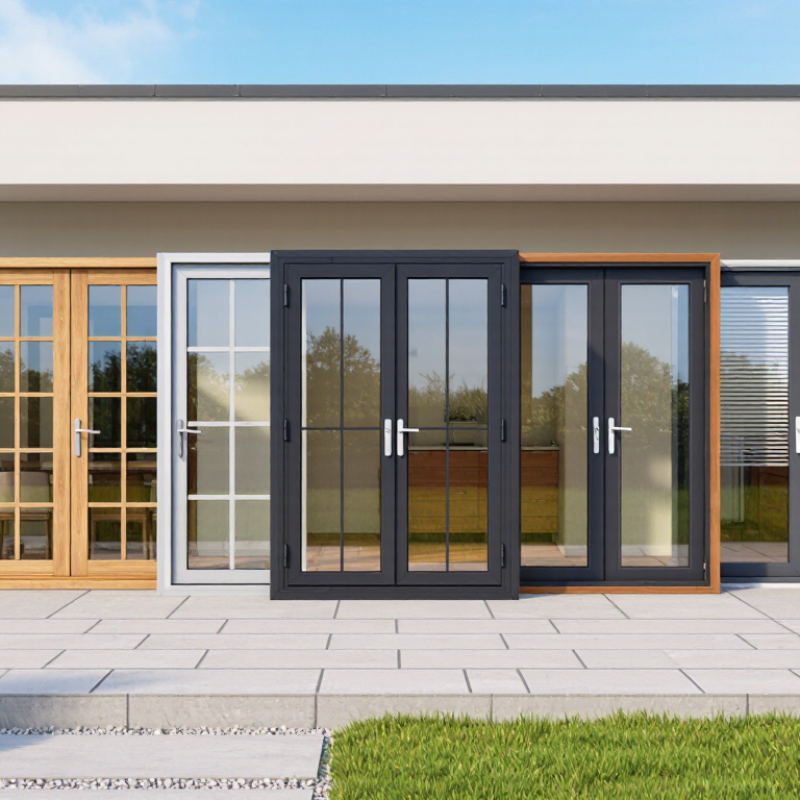
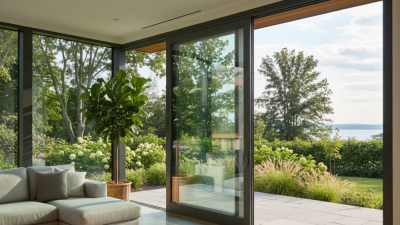
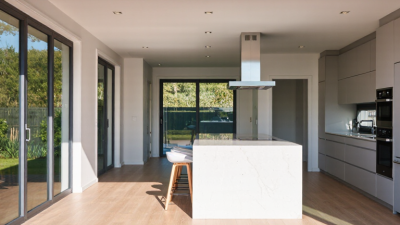
Exterior sliding doors move horizontally along a track, so they open without swinging into furniture or outdoor space. Most standard patio designs pair one fixed glass panel with one panel that slides. The broad glass area brings in daylight and frames a clear view, while the track needs regular cleaning to keep grit from affecting movement.
Small detail. It matters.
Multi-panel systems can create a wider opening, with panels stacking at one or both ends. Pocket designs slide into a cavity inside the wall, leaving the opening almost clear. That effect is appealing, but the wall must have enough space and suitable construction.
Lift-and-slide doors use a handle mechanism to raise the panel slightly for movement, then lower it against seals when closed. This can help with smooth operation and weather resistance, though the hardware adds complexity.
The right design depends on more than appearance. Check the sill height, drainage path, glass type, and locking points, especially where wind-driven rain is common. A low threshold may feel seamless underfoot, but it still needs careful water management. Frames also differ in upkeep and insulation performance. In practice, the best choice is the one that suits the wall, climate, and daily traffic—not simply the widest opening. A beautiful door can still be frustrating if its track collects leaves or its handle is awkward to reach.

Measure the opening before comparing styles. A sliding door needs clear wall space, a level track, and room for furniture nearby. Think about daily traffic: a wide panel can make moving a stroller or laundry basket easier, but it may feel heavy to operate. Test the handle and movement in person when possible. Smooth operation matters.
Match the door to your climate and exposure. Strong afternoon sun can fade floors, while wind-driven rain may reveal weak seals. Look for durable weatherstripping, insulated glass, and a frame suited to damp or salty conditions. Ask how the track drains and how often it needs cleaning. Small details count. A track that collects grit can become noisy, even when the door is new.
Consider security, ventilation, and maintenance together. Check that the panels lock firmly and that the glass suits your privacy needs. If you want fresh air, a screen panel helps, though screens can tear and need care. Compare installation requirements, warranty coverage, and replacement-part availability before choosing. It is easy to focus on appearance and overlook these practical costs. I would still give the threshold extra attention: a tiny step can matter to someone carrying groceries or using a mobility aid.
Ten Exterior Sliding Door Options for Different Homes
A sliding door should fit the room, climate, and daily traffic—not just the opening. A two-panel design suits a compact patio; a three-panel unit gives a wider view. Stacking panels gather to one side, while a pocket door disappears into the wall. For larger openings, a multi-slide system creates a broad connection to the garden. A lift-slide option can help move heavy panels, though it may cost more and needs careful installation. Choose what your home can actually support.
Frame and threshold details matter, too. Narrow-frame glass can suit modern rooms that need more daylight. Thermally broken aluminum may be useful in climates with sharp temperature changes. Wood-clad frames bring a warmer interior look; fiberglass offers another low-maintenance option. A low-threshold slider can ease everyday access, while an impact-rated assembly may suit exposed coastal sites. Not every option belongs in every house. Check wall structure and local exposure.
For energy comparisons, the U.S. Department of Energy’s Energy Saver guidance estimates that windows account for about 25–30% of residential heating and cooling energy use. That figure is not specific to sliding doors, but it highlights the value of good glazing and installation. The National Fenestration Rating Council label lists U-factor and solar heat gain coefficient, helping buyers compare products on consistent measures. Look closely at the whole assembly, not glass alone. A small air leak can undo a careful choice.
This chart compares representative nominal door-unit widths in inches. Smaller two-panel doors can suit compact patios, while wider multi-panel configurations can create a broader opening for larger living spaces. Sizes and available configurations vary; confirm the required dimensions with a qualified installer.
Nominal unit width is not the same as clear passage width. Measure the opening and check local requirements before choosing a door.
Material, glass, and installation shape a sliding door’s real performance. Vinyl usually needs little upkeep, while fiberglass resists swelling as temperatures change. Wood brings a warm, natural feel, but its finish may need regular attention. Aluminum is slim and durable; choose a thermally broken frame to reduce heat transfer. There is no perfect door. The right choice depends on climate, exposure, and budget.
Tips:
Compare the whole assembly, not just the frame. The U.S. Department of Energy estimates that heat gain and loss through windows account for about 25–30% of residential heating and cooling energy use. That figure is for windows, not a sliding-door performance guarantee, but it shows why glazed openings merit care. Check the NFRC label for U-factor and solar heat gain coefficient, then compare like-sized doors. A lower U-factor generally means better insulation.
For security, look for a strong track, anti-lift blocks, and a lock that engages firmly; test it before buying. Laminated glass can help hold fragments together if broken, though it adds cost. Ask installers to itemize the door, flashing, labor, and disposal. A low quote can omit important sealing work. Even careful comparisons miss something: an excellent door can still leak if installed poorly.
A sliding door’s long-term performance starts before the frame goes in. The opening should be square and level, with flashing that directs water outward. Even a slight sill dip can leave water beside the track. A neat bead of sealant is not a substitute for proper flashing. This detail is easy to underestimate.
The U.S. Department of Energy’s Energy Saver guidance says air sealing can reduce heating and cooling costs by 10%–20% across a home. That is not a door-specific saving, but it shows why perimeter gaps matter. After installation, test the lock and rollers, then check for drafts around the frame. Keep drainage holes clear and vacuum grit from the track. Clean exposed parts with mild soap; lubricate only as the installation instructions recommend. Small clues count.
The National Association of Home Builders’ Study of Life Expectancy of Home Components estimates sliding glass doors at about 20 years. That is a planning estimate, not a promise. Exposure, daily use, installation quality, and upkeep all affect lifespan. Inspect weatherstripping and sealant each year, especially after winter. A 20-year estimate can sound precise, but homes differ widely. Pay close attention to sill corners; recurring dampness deserves investigation, not just another layer of sealant.
| Door Type | Best Suited For | Installation Considerations | Maintenance | Long-Term Performance |
|---|---|---|---|---|
| Two-panel vinyl patio slider | Everyday patios, modest budgets, and homes seeking relatively low-maintenance frames. | Requires a correctly sized, level opening and careful sill flashing to help prevent water entry. | Clean the frame and glass; keep the track clear and lubricate rollers only as directed by the manufacturer. | Resists rust and does not need painting. Performance depends on frame quality, glazing, installation, and exposure to sun and weather. |
| Three-panel vinyl slider | Wider openings where a larger glass area and a broader view are desired. | The wider, heavier assembly may need additional help during handling and precise adjustment of multiple panels. | Clean tracks and weep openings regularly; inspect weatherstripping and panel movement. | Offers the same general low-maintenance advantages as other vinyl units, but larger glazed areas can increase heat gain or loss unless glazing is selected for the climate. |
| Fiberglass-framed sliding door | Homes exposed to changing temperatures where dimensional stability is a priority. | Follow the product’s fastening and flashing details; frame and panel weight can affect handling and adjustment. | Wash periodically and check tracks, seals, and drainage paths; painted finishes may need occasional care. | Fiberglass generally resists corrosion and changes in size from temperature swings. Overall durability still depends on hardware, finish, glazing, and installation. |
| Thermally broken aluminum slider | Contemporary homes, large glazed openings, and designs with narrow frame profiles. | Choose a system rated for the opening and local wind conditions; careful sill drainage and thermal detailing are important. | Clean tracks and drainage openings, inspect seals, and wash the frame to remove dirt or corrosive deposits. | Aluminum is strong and corrosion-resistant when properly finished. A thermal break reduces heat transfer through the frame compared with non-thermally-broken aluminum. |
| Wood-clad sliding door | Interiors that call for a wood finish with a more weather-resistant exterior cladding. | Install with particular attention to flashing, drainage, and the transition between the exterior cladding and surrounding wall. | Inspect exterior joints and finishes; clean tracks and maintain interior wood surfaces according to their finish. | Exterior cladding helps shield the wood from weather, while the interior wood still needs protection from moisture and wear. |
| Solid-wood sliding door | Traditional or custom homes where a natural wood appearance is a key design feature. | Requires a well-protected opening and careful control of moisture; professional installation is often helpful for larger units. | Inspect and renew exterior paint or stain as needed; keep drainage paths clear and check for signs of moisture damage. | Can be refinished, but wood is more sensitive to moisture and weather exposure than many non-wood frame materials. |
| Composite-framed sliding door | Homeowners seeking an alternative to traditional wood with reduced routine finish maintenance. | Construction varies by product, so use the specified fasteners, flashing method, and installation clearances. | Clean the frame and glass, clear tracks, and follow the manufacturer’s instructions for seals and hardware. | Performance varies with the composite formulation and construction; inspect joints, hardware, and seals as part of routine upkeep. |
| Lift-and-slide door | Large, heavy panels and openings where easier panel movement and a tight closed position are desired. | Needs a stable, accurately prepared opening and correctly set hardware; panel weight makes professional installation advisable. | Keep tracks clean and check operating hardware and seals; make adjustments according to the system’s instructions. | Designed to move heavy panels with reduced operating effort when open. Long-term operation depends on correct installation and periodic hardware care. |
| Multi-slide door | Wide openings that benefit from several panels stacking or meeting at one side. | Requires careful planning for panel stacking space, structural support, drainage, and alignment across the full opening. | Clean the full track length, clear drainage openings, and inspect rollers, locks, and weather seals. | Creates a broad opening, but more panels and moving parts make precise installation and regular track and hardware care especially important. |
| Pocket sliding door | Projects where panels need to slide out of sight into a wall cavity for a clear opening. | Plan the pocket and wall structure before construction; the cavity must accommodate the panels and hardware without conflicts. | Keep the exposed track and accessible hardware clean; follow the system’s guidance for servicing concealed components. | Provides a space-saving opening, but repairs can be more involved if components inside the wall cavity are difficult to access. |
Selection note: Actual energy efficiency, weather resistance, operating life, and maintenance needs vary by product, glass specification, climate, exposure, and installation quality. Choose glazing and performance ratings suited to local conditions, and follow the door manufacturer’s installation and care instructions.
Get the latest news straight from us on all our new products, features, services, and much more!