

Top 10 Exterior Door Installation Questions Buyers Ask?

An exterior door should do more than fill an opening. It needs to close smoothly, seal against drafts, and feel secure every day. Yet small details can cause big problems. A sill that slopes the wrong way may invite water. A frame that is slightly out of square can make the latch stick. And expanding foam, used carelessly, can press the jamb out of alignment.

“Measure the opening, then measure the conditions around it,” says exterior door installation specialist Jordan Lee. “The doorway is part of the house, not just a hole for a new door.” That practical reminder sets the tone for these answers. Actual measurements, wall construction, weather exposure, and the condition of the existing frame all matter. Sometimes replacement is straightforward. Sometimes the trim comes off and reveals damage no one expected. That part deserves an honest inspection.

The questions buyers ask are sensible: Which material suits my climate? Can the old frame stay? How long will installation take? What should a proper seal look like? This guide addresses those decisions in plain language, with attention to visible details such as even reveal gaps, secure hinges, and a threshold that sits flat. No doorway is perfectly predictable. Even careful planning can miss something. Knowing what to check—and what to ask your installer—makes it easier to spot a sound result and discuss concerns before the work is finished.
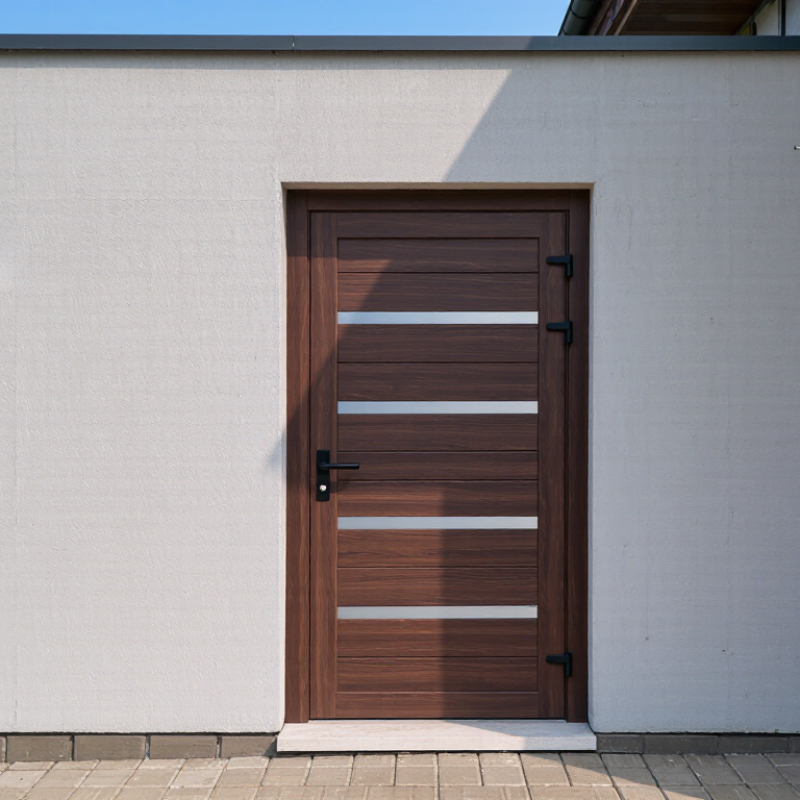
Top 10 Exterior Door Installation Questions Buyers Ask?

What Exterior Door Installation Involves and Why It Matters

Top 10 Exterior Door Installation Questions Buyers Ask?

What Exterior Door Installation Involves and Why It Matters

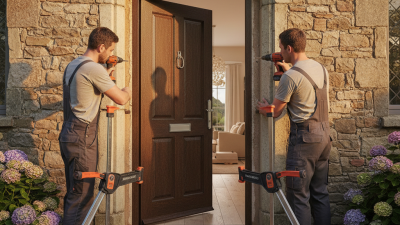
Exterior door installation is more than fitting a slab into a frame. A qualified installer checks the rough opening, sill, jambs, and surrounding wall for damage or unevenness. The frame must sit level and square, or the door may stick, swing open, or leave uneven gaps. Small gaps matter. Flashing and a properly sealed threshold help direct water away from the home. Foam insulation should fill gaps without bowing the frame.

The U.S. Energy Information Administration’s 2020 Residential Energy Consumption Survey reports that space heating accounted for 42% of residential site energy use. A poorly sealed doorway is only one possible source of heat loss, but it deserves attention. The U.S. Department of Energy recommends weatherstripping doors to reduce drafts. Still, sealing cannot fix a frame that was installed out of alignment.

Appearance can distract buyers from fit and drainage. That can be a mistake. Zonda’s 2024 Cost vs. Value Report estimated a 188.1% cost recoup for a steel entry door replacement in its national analysis. That figure is an average estimate, not a promise of resale value. Ask whether the quote includes removal, flashing, weatherstripping, trim, and disposal. Details decide. After installation, test the lock, inspect the perimeter on a windy day, and check that the threshold sheds water rather than trapping it.


How to Choose the Right Door, Material, and Configuration

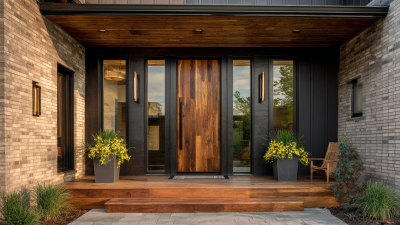
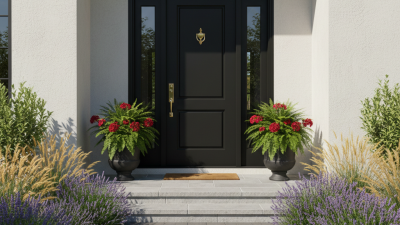
Choosing the right exterior door starts with the opening, not the showroom sample. Measure its width, height, jamb depth, and threshold carefully. Check whether the door swings inward or outward, and confirm that nearby walls, steps, and furniture won’t block it. Sidelights add daylight, but they also change the framing and privacy needs. Small details matter.

Material affects upkeep, feel, and performance. Steel is often practical and secure, but its surface can dent. Fiberglass can imitate wood grain and generally needs less routine care. Wood offers natural warmth, though exposed finishes may need regular attention. There is no perfect choice. A door that looks right in a display may feel heavy or awkward at home.

Compare certified performance ratings, not just glass appearance. The National Fenestration Rating Council label lists U-factor and solar heat gain coefficient, helping buyers compare products on consistent terms. Ask an installer how the frame, weatherstripping, and sill will be sealed; even a well-rated door can leak air when poorly fitted. Remodeling magazine’s 2024 Cost vs. Value report estimated a 188.1% cost recoup for a steel entry-door replacement. That is a national project benchmark, not a promised resale return. It also doesn’t measure comfort or maintenance, which may matter more in daily use.

Top 10 Exterior Door Installation Questions Buyers Ask? - How to Choose the Right Door, Material, and Configuration

# Buyer Question Practical Guidance
1 How do I choose the right door size? Measure the existing door slab, frame, and rough opening separately. A rough opening is the framed opening in the wall; it is typically larger than the door unit to allow for shimming and adjustment. Confirm measurements and installation requirements with the door manufacturer before ordering.
2 Which material is best: fiberglass, steel, or wood? Fiberglass is often chosen for low maintenance and resistance to moisture-related changes. Steel doors commonly provide a durable, stable option, though the finish and edges should be protected from damage and corrosion. Wood offers a natural appearance but generally needs more upkeep and protection from moisture. Performance depends on the specific door construction and finish.
3 Should I choose a prehung door or a slab? A prehung unit includes the door hung in a frame and is commonly used when replacing the frame or installing in new construction. A slab is the door alone and may suit a compatible existing frame. Before choosing a slab, check its dimensions, thickness, hinge locations, swing, and lock preparation against the existing frame.
4 How do I determine the correct handing and swing? Stand on the side from which you will enter the home. Note which side the hinges are on and whether the door swings toward or away from you. Specify both handing and inswing or outswing when ordering; terminology can vary, so verify the supplier’s diagram before purchase.
5 What should I consider for energy efficiency? Look at the complete door assembly, including the slab, frame, glazing, weatherstripping, and threshold. Compare the door’s published energy-performance information, such as U-factor and solar heat gain coefficient where applicable. Correct installation and continuous air sealing are also important for limiting drafts and heat loss.
6 Do glass panels make an exterior door less secure? Glazing changes the door’s design and may affect privacy and security considerations. Choose glass suited to the door’s location and local requirements, and consider the placement of locks in relation to reachable glass. Secure hinges, a properly fitted frame, and correctly installed hardware also contribute to overall door security.
7 How important are the threshold and water protection? The threshold, sill pan or flashing, sealant, and exterior drainage details help manage water at the opening. Installation should follow the door maker’s instructions and applicable building practices, with a continuous route for incidental water to drain outward. Keep exterior finishes and landscaping from blocking drainage paths.
8 Can I install an exterior door myself? A capable DIY installer may be able to replace a door in a suitable opening, but correct leveling, shimming, fastening, flashing, and air sealing are essential. Structural changes, damaged framing, water intrusion, or an out-of-square opening can make professional installation advisable. Follow the product instructions and local code requirements.
9 Do I need to check building codes or permits? Requirements depend on the home, location, and scope of work. Check with the local building department before changing an opening, adding or relocating an exterior door, or making work that may affect required exits, safety glazing, accessibility, or energy compliance. Replacement work may also be subject to local rules.
10 What configuration should I choose for my entry? Choose a single door, a door with sidelights, or a double-door configuration based on available wall space, desired daylight, traffic, and the clear opening needed for moving items. Confirm that the configuration fits the existing or planned rough opening and that the swing will not conflict with steps, walls, furniture, or walkways.

What to Measure and Prepare Before Installation

Before scheduling an exterior door installation, measure the opening rather than relying only on the old door’s size. For a replacement, record the width at the top, middle, and bottom, then measure the height on both sides and in the center. Note every measurement. Openings are rarely perfectly square, and the smallest number alone may not tell the installer everything. Also measure the wall depth from the interior surface to the exterior trim. Share these figures with your installer so they can confirm what is needed.

Clear the area on both sides of the doorway. Move furniture, rugs, and planters, and protect nearby floors from dust or tools. Check whether new flooring or trim may change the finished height. Decide which way the door should swing, and note the hinge side. A photo of the doorway can help explain unusual trim, a raised threshold, or visible water damage. Small details matter. I’d still leave final fit decisions to the installer; measuring can be less straightforward than it looks.

Tips: Use a rigid tape measure, keep it level, and write down units. Take photos with the tape visible. If the frame feels soft or uneven, mention it before installation day.

How the Installation Process Works Step by Step

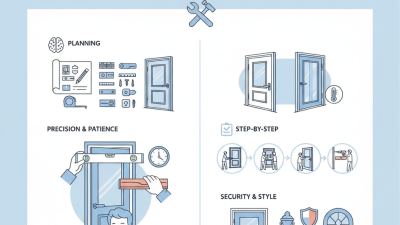
An exterior door installation starts with measuring the opening at the top, middle, and bottom. Remove the old unit carefully, then check the sill and jambs for rot or unevenness. A rough opening can look square but still be out of plumb. Dry-fit the new frame, confirm even gaps, and adjust with shims before fastening. Small gaps matter.

Set the sill pan and flashing to direct water outward, then secure the frame without twisting it. Insulate the perimeter with low-expansion foam or suitable backer rod and sealant. The U.S. Department of Energy’s Energy Saver guidance estimates that windows account for about 25–30% of home heating and cooling energy use; that figure is window-specific, but it highlights why careful air sealing around the building envelope matters. After trimming, test the door: it should swing freely, latch without force, and show an even seal around the edges.

Tips: Measure twice, and photograph the exposed opening before it is covered. Check the sill for outward drainage. If the frame shifts as screws are tightened, stop and recheck alignment; forcing it can leave a stubborn gap.

What Installation Costs, Timelines, and Warranties to Expect

Exterior door installation costs vary with the door’s size, material, and condition of the opening. A straightforward replacement may take a few hours, while rotted framing, masonry adjustments, or a custom order can add labor and days of waiting. Ask for an itemized estimate covering removal, disposal, flashing, trim, threshold work, and any expected repairs. A low quote may leave some of these out.

Tips: Get the completion window in writing, including how weather or delivery delays affect it. Before work begins, confirm who handles unexpected damage. Take a close look at the sill and surrounding trim; small signs of moisture can point to a larger repair. It’s easy to miss.

Ask separately about the door warranty and the installer’s workmanship warranty. They may cover different problems, and exclusions matter. Check how long coverage lasts, what maintenance is required, and how to report a defect. Keep the estimate, contract, and care instructions together. If a promise sounds vague, request a specific example of what is covered. Some details still depend on the opening once the old door is removed.