

Sliding patio doors are wide glazed panels that open by sliding horizontally along a track. Unlike hinged doors, they do not swing into a room or across a terrace. One panel usually remains fixed, while the active panel moves on rollers inside the frame. Handles, locks, weatherstripping, and drainage channels complete the system.
The U.S. Department of Energy estimates that windows can account for 25–30% of residential heating and cooling energy use. That figure explains why glass selection, frame material, and installation quality matter. The ENERGY STAR program also evaluates window and door products by climate-zone performance, including U-factor and solar heat gain coefficient. Meanwhile, Freedonia’s Windows & Doors in the U.S. market analysis links replacement demand to energy efficiency, renovation activity, and housing age.
Performance is not automatic.
Building scientist Joseph Lstiburek offers a practical warning: “If you want to control rain, control the water.” His point applies directly to sliding patio doors. Water must move across sloped sills, through weep holes, and away from the wall assembly. A clogged track can turn a small storm into a wet floor.
The best sliding patio doors combine smooth movement, secure locking, low air leakage, and durable weather seals. Still, no product is perfect. A premium frame cannot correct poor flashing or an uneven opening. Homeowners should examine the threshold, roller adjustment, glass rating, and manufacturer test data before choosing. A door may look elegant in a showroom, yet perform poorly when wind-driven rain meets careless installation. That uncomfortable detail deserves more attention.
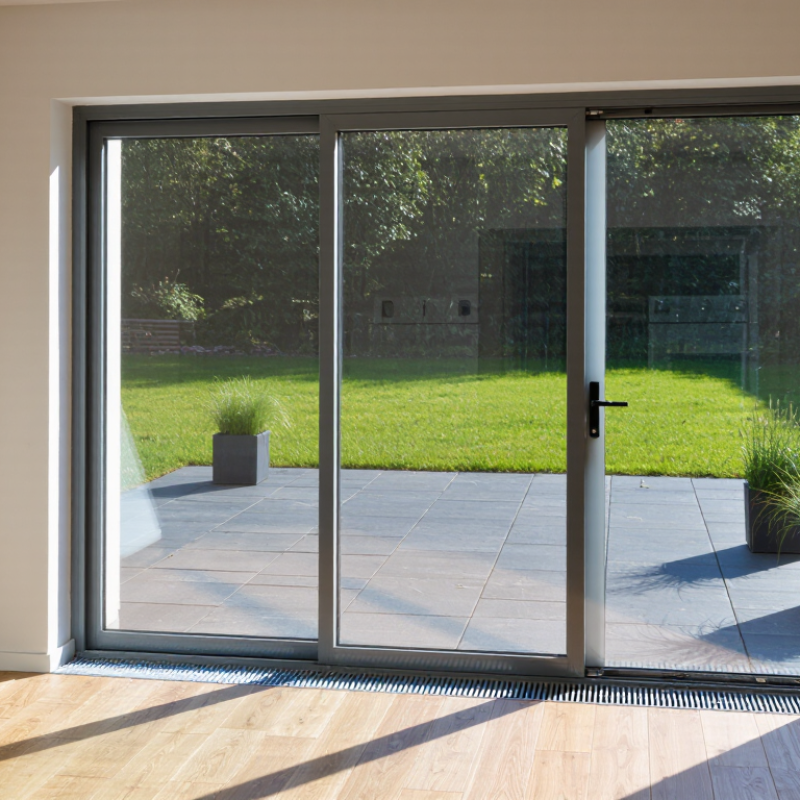
Sliding patio doors are wide glazed doors designed to open horizontally rather than swing into a room. Most systems use one fixed glass panel and one movable panel. The movable panel travels along a metal or composite track, guided by small rollers beneath its frame. A handle activates a latch, while seals around the edges help reduce drafts, rain, and outdoor noise.
They are practical where floor space is limited. A sliding panel can connect a kitchen or living room with a patio without blocking furniture or walkways. Yet the mechanism is not effortless. Dirt, worn rollers, or a slightly uneven track can make the door drag. That detail is easy to overlook.
During inspection, I check whether the panel rolls smoothly, closes squarely, and locks without force.
Glass performance also matters. The U.S. Department of Energy reports that heat gain and loss through windows account for about 25% to 30% of residential heating and cooling energy use. Sliding patio doors are part of this wider fenestration system, so their frame, glazing, and installation affect comfort.
The National Fenestration Rating Council evaluates products using measures such as U-factor and solar heat gain coefficient. A lower U-factor generally indicates better insulation, while a lower solar heat gain coefficient can reduce unwanted summer heat.
Ratings help, but installation still deserves attention. A high-performing door can disappoint when flashing, drainage, or weather seals are poorly handled.

A sliding patio door has two panels: one fixed and one that moves horizontally. The moving panel travels on rollers inside a metal or composite track. The frame holds the glass, panels, seals, and hardware in alignment. A latch and secondary lock help prevent unwanted movement. Weatherstripping closes small gaps around the meeting rails and jambs. The sill should also guide rainwater toward exterior drainage channels.
Glass is often the largest component. Many modern doors use insulated glazing, low-emissivity coatings, or laminated safety glass. The U.S. Department of Energy reports that windows account for about 25% to 30% of residential heating and cooling energy use. A patio door can influence that total, especially beside a sunny living room. The National Fenestration Rating Council evaluates products using U-factor and solar heat gain coefficient ratings. Lower U-factor generally means better insulation.
The rollers carry the panel’s weight, so adjustment matters. A dirty track can make a door feel defective. Sometimes it is only full of grit. Installers also check the threshold, corner seals, drainage paths, and frame plumbness. A small installation error can cause air leakage or uneven locking. Even excellent glass will not compensate for a poorly sealed frame. This detail deserves more attention.
Sliding patio doors use a simple idea: one panel glides beside another instead of swinging outward. The moving panel rests on two or more rollers, which carry its weight along a horizontal track. When you pull the handle, the rollers rotate and reduce friction. The top guide keeps the panel upright, while the bottom track controls its path. Small height-adjustment screws can raise or lower each roller. This detail matters. A door may feel heavy because its rollers are misaligned, not because the panel is defective.
Weatherstripping closes the narrow gaps between panels and the frame. A latch then pulls the meeting edges together, improving security and reducing air leakage. The U.S. Department of Energy’s Energy Saver guidance estimates that windows can account for 25–30% of residential heating and cooling energy use. Sliding-door seals influence that performance, especially around the interlocking center rail. NFRC rating guidance uses U-factor and solar heat gain coefficient to compare energy performance. These ratings describe the glass and frame system, not just the rollers. That assumption is incomplete.
During inspection, look for worn wheels, bent tracks, loose fasteners, and flattened seals. Clean tracks help, but excessive lubricant can collect dust and create new resistance. The better approach is measured adjustment, followed by a paper-strip air-leak test. If the strip pulls out easily, the seal may need attention. Smooth movement is useful evidence, but it is not proof of correct weather sealing.
| Data Dimension | Typical Information | How It Relates to Operation |
|---|---|---|
| Basic definition | A large glazed door system made of one or more panels that open by sliding horizontally. | The operating panel moves parallel to the wall rather than swinging into the room or patio. |
| Main panel arrangement | Common configurations include one fixed panel plus one sliding panel, or multiple sliding panels. | Fixed panels remain in place while mobile panels travel along the track to create an opening. |
| Sliding direction | Usually left-to-right or right-to-left within the door frame. | The panel follows a straight horizontal path along the lower and upper frame guides. |
| Roller assemblies | Small adjustable wheels, commonly positioned in pairs near the bottom corners of the sliding panel. | The rollers carry much of the panel load and reduce friction as the panel moves. |
| Track system | A horizontal sill track or guide channel, often made from corrosion-resistant metal or reinforced polymer. | The track keeps the rollers aligned and controls the panel’s travel path. |
| Upper guide | A top channel or guide rail that works with the bottom track. | It limits sideways movement and helps keep the panel vertical while sliding. |
| Frame materials | Common choices include aluminum, vinyl, fiberglass, wood, and combinations of these materials. | The frame supports the glazing, tracks, weather seals, hardware, and locking components. |
| Glazing | Often uses insulated glass made from two panes separated by a sealed spacer; single-pane options also exist. | The glass provides daylight and visibility while the panel frame transfers the load to the rollers. |
| Opening clearance | The required clearance is mainly along the wall beside the fixed panel or the stacking area. | Because the panel does not swing outward or inward, it saves floor space near the doorway. |
| Weather seals | Brush seals, pile seals, compression gaskets, and interlocking meeting rails may be used. | These components help limit air movement, water penetration, dust, and unwanted noise around moving joints. |
| Locking mechanism | Common systems include latch locks, hook bolts, mortise-style locks, and auxiliary security bars. | The lock secures the moving panel to the frame or fixed panel when the door is closed. |
| Typical operating sequence | Unlock, hold the handle, apply moderate horizontal force, and guide the panel along the track. | The handle moves the panel while the rollers support and guide it; excessive force is usually unnecessary. |
| Adjustment points | Roller-height adjustment screws are commonly located near the lower edges of the sliding panel. | Adjusting the rollers can help level the panel, improve alignment, and maintain consistent seal contact. |
| Common causes of difficult movement | Dirt in the track, worn rollers, misalignment, damaged seals, or a bent track. | Obstructions and worn hardware increase rolling resistance and may prevent the panel from closing correctly. |
| Basic maintenance | Vacuum debris from the track, clean the rollers and seals, inspect fasteners, and check the lock and drainage openings. | Regular cleaning and inspection help preserve smooth movement, drainage, weather resistance, and security. |
What Types of Sliding Patio Doors Are Available?
Sliding patio doors come in several configurations, and each suits a different room layout. A two-panel door usually has one fixed glass panel and one moving panel. It works well in compact openings and provides a clear outdoor view. A three-panel design offers a wider opening, but it needs more wall space. Four-panel systems can create broad access for entertaining, although their frames and tracks may require stronger structural support.
Center-opening doors slide from the middle, creating a balanced entrance. Pocket sliding doors disappear into the wall cavity when opened. They save floor space, but installation can be disruptive and requires careful inspection of the wall structure. Lift-and-slide doors use a raised panel mechanism. This reduces friction and supports larger glass panels. However, they may cost more and need precise adjustment. No option is perfect.
Tips: Check the opening width, threshold height, and track condition before choosing a style. Low-threshold designs can improve access for children, older adults, and wheelchair users. Double glazing may reduce outside noise and indoor heat loss. Ask an experienced installer to examine drainage and weather seals. A beautiful door can still perform poorly if water collects near the frame. Personally, I would test the handle and rollers in person. Small resistance often becomes a daily frustration.
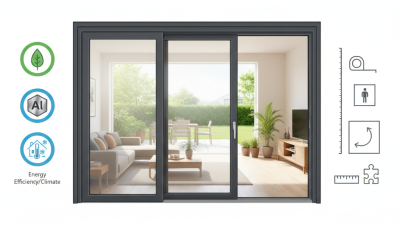
Sliding patio doors use horizontal rollers and tracks, allowing one or more glazed panels to move sideways instead of swinging inward or outward. The chart compares representative configurations: total panels and the number of panels that commonly move.
Sliding patio doors use rollers beneath a movable panel to glide along a track. Their performance depends on more than the door’s frame and glass. Track condition, roller quality, panel weight, and installation accuracy all matter. A small alignment error can create scraping, drafts, or difficult movement.
Weather exposure also affects maintenance. Rainwater, dust, pet hair, and small stones can collect inside the lower track. Moisture may encourage corrosion, while strong sunlight can harden seals and reduce their flexibility. Poor drainage around the sill can make the problem worse. In coastal areas, salty air may speed up metal wear. Energy performance also depends on intact weatherstripping and properly sealed glass. If indoor air feels cold near the door, the seal may need inspection rather than immediate replacement.
Tips: Vacuum the track monthly and wipe it with a damp cloth. Check rollers for uneven movement. Avoid forcing a stiff panel. Use only a lubricant suitable for the door hardware, because excess oil can trap dust. Inspect seals before winter and after severe storms. I have found that owners often clean the visible glass but overlook the track underneath. That small habit can quietly shorten the door’s service life. Even careful maintenance is imperfect, so persistent sticking, cracked glass, or loose hardware deserves assessment by a qualified professional.
Get the latest news straight from us on all our new products, features, services, and much more!